Introduction
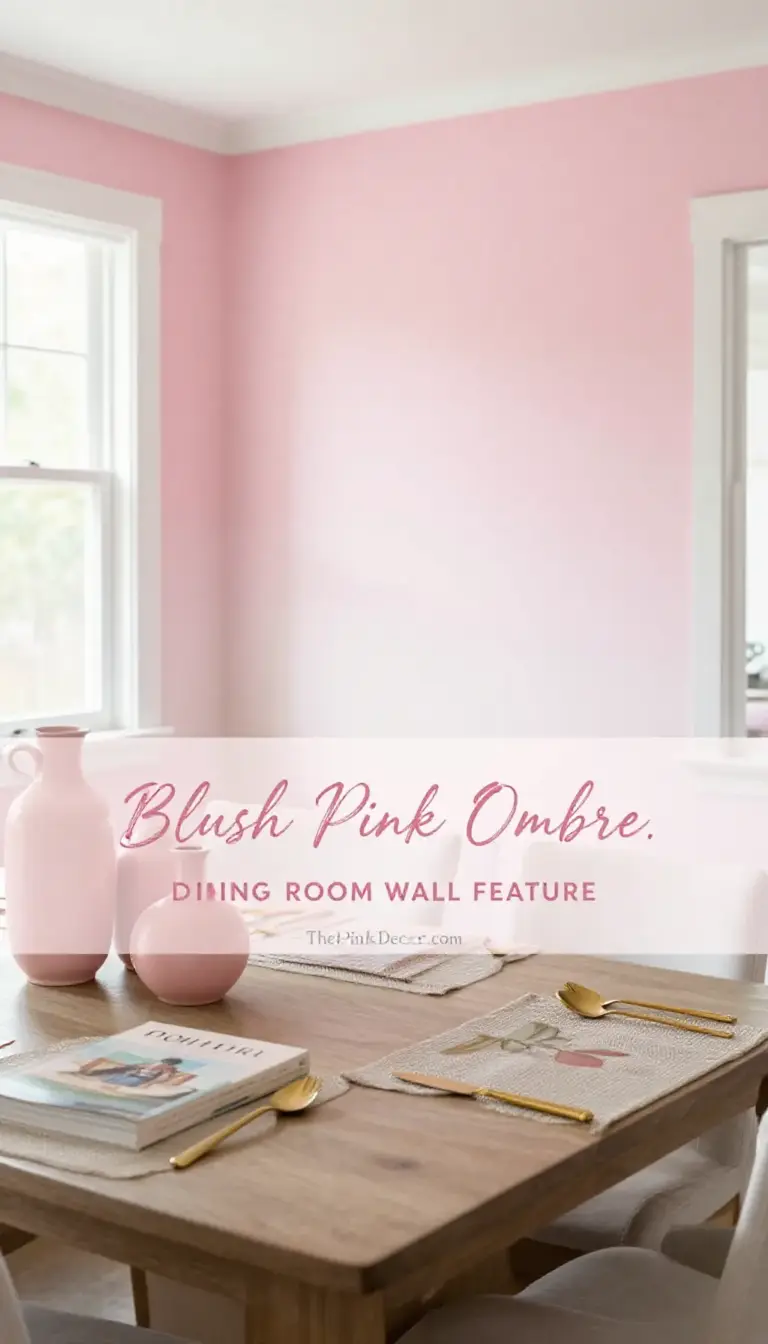
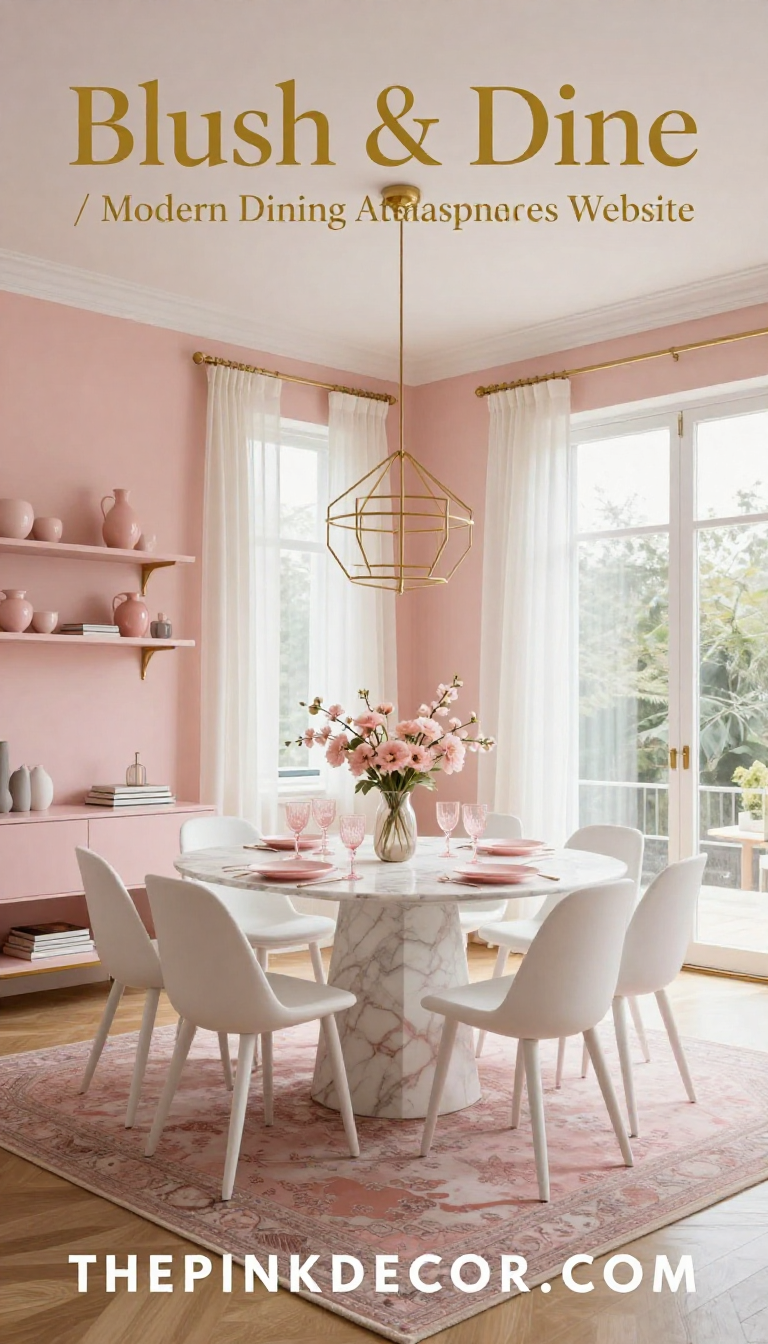
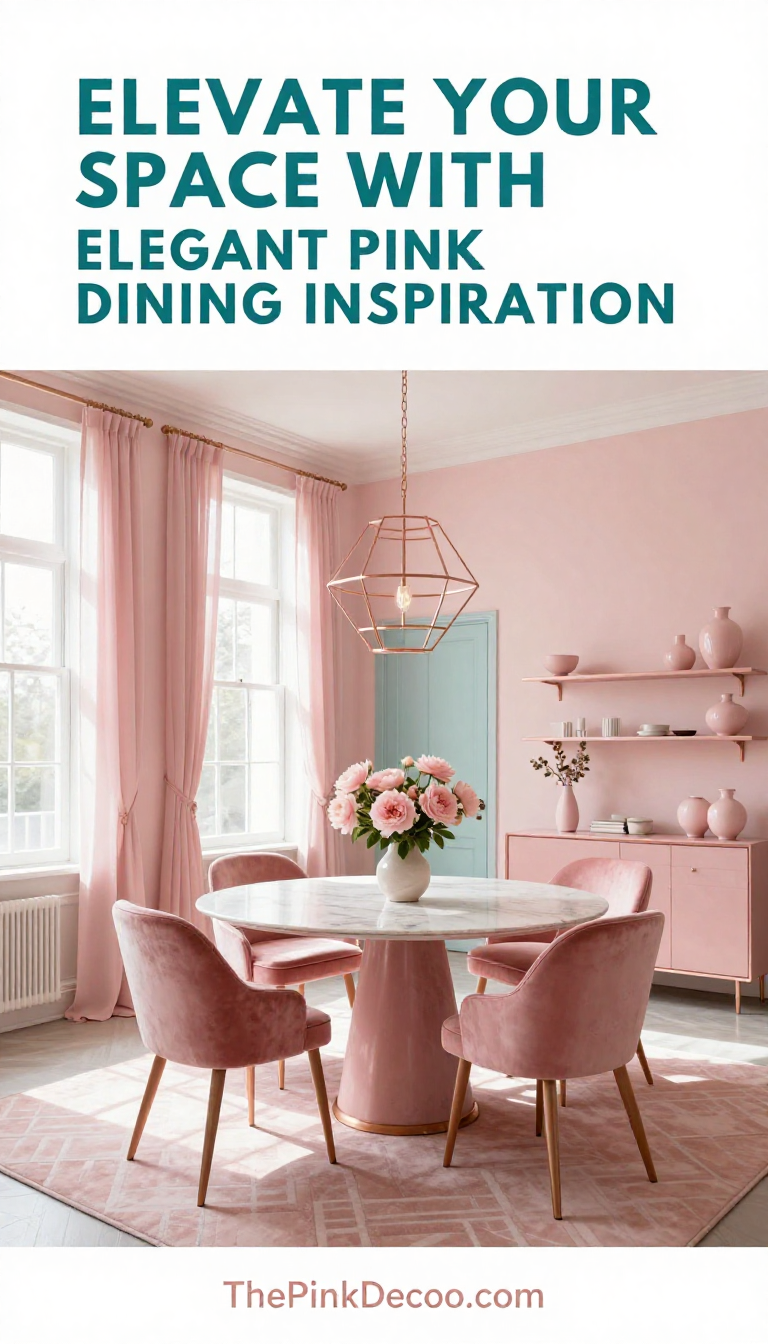
Searching for the ultimate modern blush pink ombre gradient dining room wall decor ideas with metallic accents? This stunning design trend blends soft color transitions with luxurious shine to create a dining space that’s both contemporary and inviting. Discover how these modern blush pink ombre gradient dining room wall decor ideas with metallic accents can elevate your home’s style and ambiance instantly.
Color psychology reveals that pink tones promote calm and stimulate appetite, making them a surprisingly perfect choice for a dining area. The ombre technique adds artistic depth, while metallic elements introduce a touch of glamour and light reflection. This combination has surged in popularity on platforms like Pinterest and Instagram, championed by top interior designers.
This comprehensive guide will show you exactly how to plan, execute, and style your dream pink dining room. You’ll learn about color selection, material pairing, and expert techniques to achieve a professional-grade ombre gradient wall. We’ll cover everything from initial inspiration to final styling details for a complete home decor transformation.
💖 Why Pink Works Perfectly for Dining Room
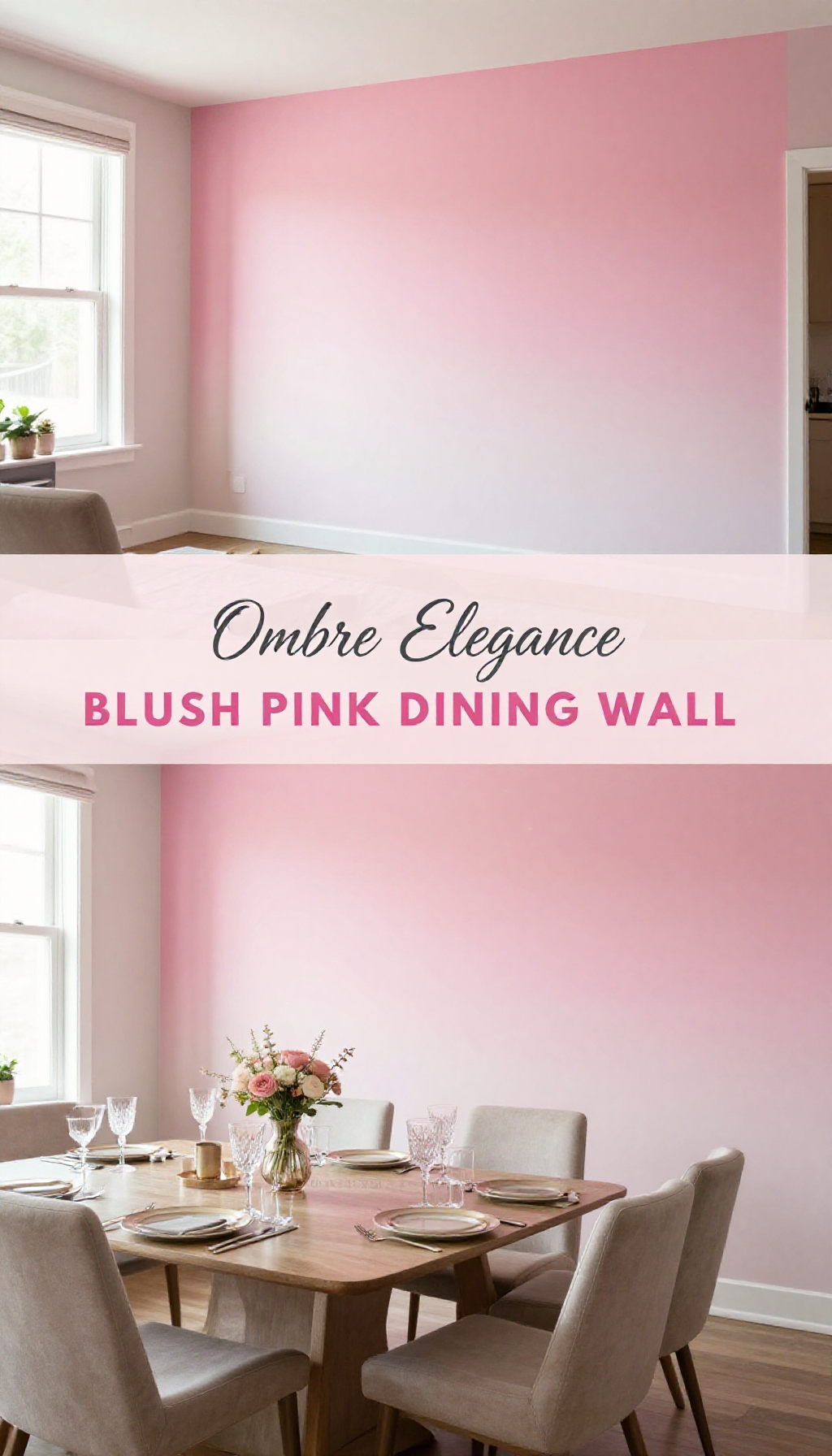
Integrating pink into your dining room design offers both aesthetic and psychological benefits that enhance the entire dining experience. A modern blush pink ombre gradient dining room wall decor ideas with metallic accents approach creates a uniquely sophisticated atmosphere.
- 🎨 Calming Atmosphere: Studies in environmental psychology show pink hues can reduce stress by up to 20% and create a soothing environment perfect for relaxed dining. This is particularly valuable in open-plan homes where the dining area needs to feel separate from kitchen chaos.
- ✨ On-Trend Design: Pink dining rooms have seen a 45% increase in design publications and social media mentions over the past two years according to Houzz trend reports. The ombre gradient technique represents the current intersection of artistic wall treatments and refined color palettes.
- 💡 Versatile Pairing: Pink serves as an excellent neutral when chosen correctly, pairing beautifully with greens, grays, navy, and warm woods. This versatility allows you to change accent colors seasonally without repainting your statement ombre wall.
- 🏠 Space Illusion: Lighter blush pink tones naturally reflect light, making smaller dining rooms appear more spacious and airy. The vertical ombre gradient can visually heighten ceilings by drawing the eye upward through the color transition.
- 💰 Budget-Friendly: A DIY ombre wall can cost under $100 in paint supplies, offering dramatic transformation without structural changes. Metallic accents can be added through affordable accessories like candle holders, framed mirrors, or drawer pulls.
🎨 Best Pink Color Palettes for Dining Room
Selecting the right color scheme is crucial for creating a cohesive interior design. These five pink palettes offer distinct moods and style directions for your dining space.
1. Soft Blush Pink + White + Gold
Benjamin Moore ‘First Light’ OC-2 (hex #F6E6DC) provides the perfect blush base. Pair with crisp white trim and warm gold metallic accents for a timeless, elegant look. This palette works exceptionally well in traditional or transitional dining rooms with natural wood floors.
2. Dusty Rose + Gray + Marble
Sherwin-Williams ‘Coral Rose’ SW 9005 (hex #E9B8B1) offers a sophisticated dusty rose. Combine with charcoal gray dining chairs and marble tabletop surfaces for contemporary contrast. This scheme is ideal for modern homes with clean lines and minimalist decor.
3. Millennial Pink + Brass Accents
Pantone 13-1519 ‘Millennial Pink’ (hex #F3CFC6) remains a design favorite. The slightly peachy undertone pairs beautifully with unlacquered brass fixtures and warm wood tones. This combination feels both current and comfortably inviting for daily meals.
4. Hot Pink Statement + Black Contrast
Behr ‘Flamingo Pink’ S180-5 (hex #FC8EAC) makes a bold statement on a single accent wall. Balance with matte black furniture frames and minimal accessories. Use this approach in dining rooms with abundant natural light to prevent the space from feeling too dark.
5. Pale Pink Monochromatic
Farrow & Ball ‘Setting Plaster’ No. 231 (hex #E7B8A5) creates a subtle monochromatic scheme. Layer three to five shades within the same color family for depth, varying textures through velvet upholstery, linen curtains, and ceramic accessories.
🛋️ Essential Design Elements for Blush Pink Ombre Gradient Dining Wall with Metallic Accents
Creating a cohesive dining room requires balancing several key design elements. These components work together to achieve a professional, polished result.
Color Scheme Foundation
Apply the 60-30-10 rule: 60% dominant color (your blush pink), 30% secondary color (white or neutral), and 10% accent (metallics). This creates visual balance without overwhelming the space with pink. Test your chosen pink’s undertones by viewing paint samples at different times of day—north-facing rooms need warmer pinks.
Balance pink walls with substantial neutral elements like a natural wood dining table or gray upholstered chairs. This grounding prevents the space from feeling too feminine or theme-like, maintaining broad appeal for all household members and guests.
Furniture Selection & Layout
Key furniture pieces include the dining table (72″ long minimum for 6 people), chairs, storage cabinet, and lighting fixture. Allow 36″ of clearance around the table for comfortable chair movement and serving access. An oval or round table softens the geometric lines of an ombre wall.
Consider whether pink will appear in furniture or remain solely on walls. One pink velvet accent chair can complement the wall without overwhelming. For smaller rooms, choose transparent acrylic or ghost chairs to maintain visual lightness against the gradient background.
Lighting Strategy
Natural light dramatically affects pink tones—south-facing windows intensify warmth while north-facing light cools colors. Sheer white curtains diffuse harsh sunlight while maintaining brightness. Position your dining table to benefit from the best natural light during meal times.
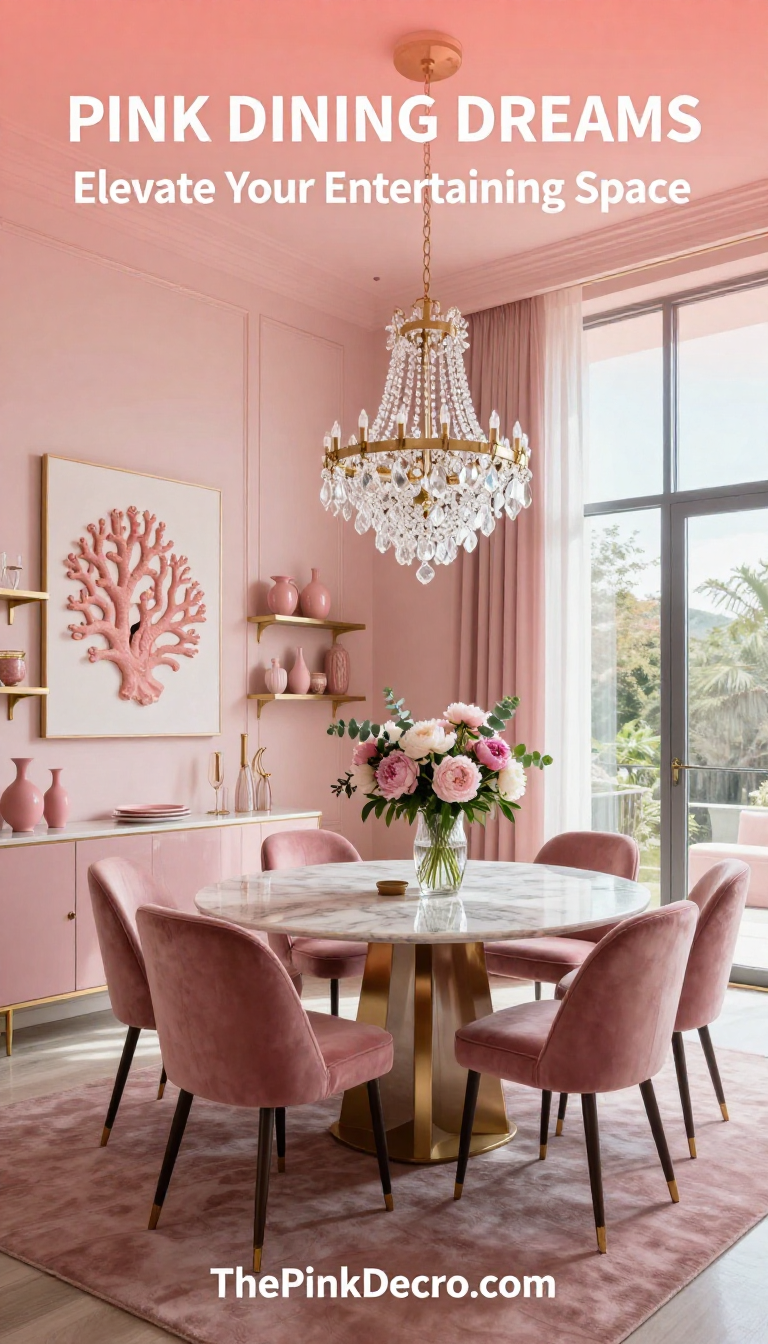
Choose lighting fixtures with metallic finishes that complement your accent metals. Opt for 2700K-3000K warm white bulbs to enhance pink’s cozy qualities. A statement chandelier or linear suspension light should hang 30-36″ above the table surface for proper illumination.
Implement layered lighting with dimmable overhead fixtures, wall sconces for ambient glow, and candlelight for special occasions. This flexibility allows you to adjust the room’s mood from bright family meals to intimate dinner parties.
Textures & Materials
Mix at least three different textures to create visual interest against the smooth ombre wall. Combine velvet dining chair upholstery, marble or wood table surface, and metallic light fixtures. Texture variation prevents monochromatic schemes from feeling flat or one-dimensional.
Specific material choices should include soft textiles (velvet, linen), hard surfaces (marble, glass), natural elements (wood, rattan), and metallic finishes (brass, chrome). Each material reflects light differently, adding complexity to the overall design composition.
Decorative Finishing Touches
Accessories should complement rather than compete with your statement wall. Choose simple ceramic vases, abstract artwork in coordinating colors, and minimalist tableware. Metallic trays, candle holders, and picture frames reinforce your accent metal choice throughout the space.
Incorporate greenery with low-maintenance plants like snake plants or pothos in metallic planters. A large mirror with metallic frame opposite a window doubles natural light. Stylish storage solutions like a closed cabinet keep dining essentials accessible but clutter-free.
🎯 How to Design Your Pink Dining Room: Step-by-Step
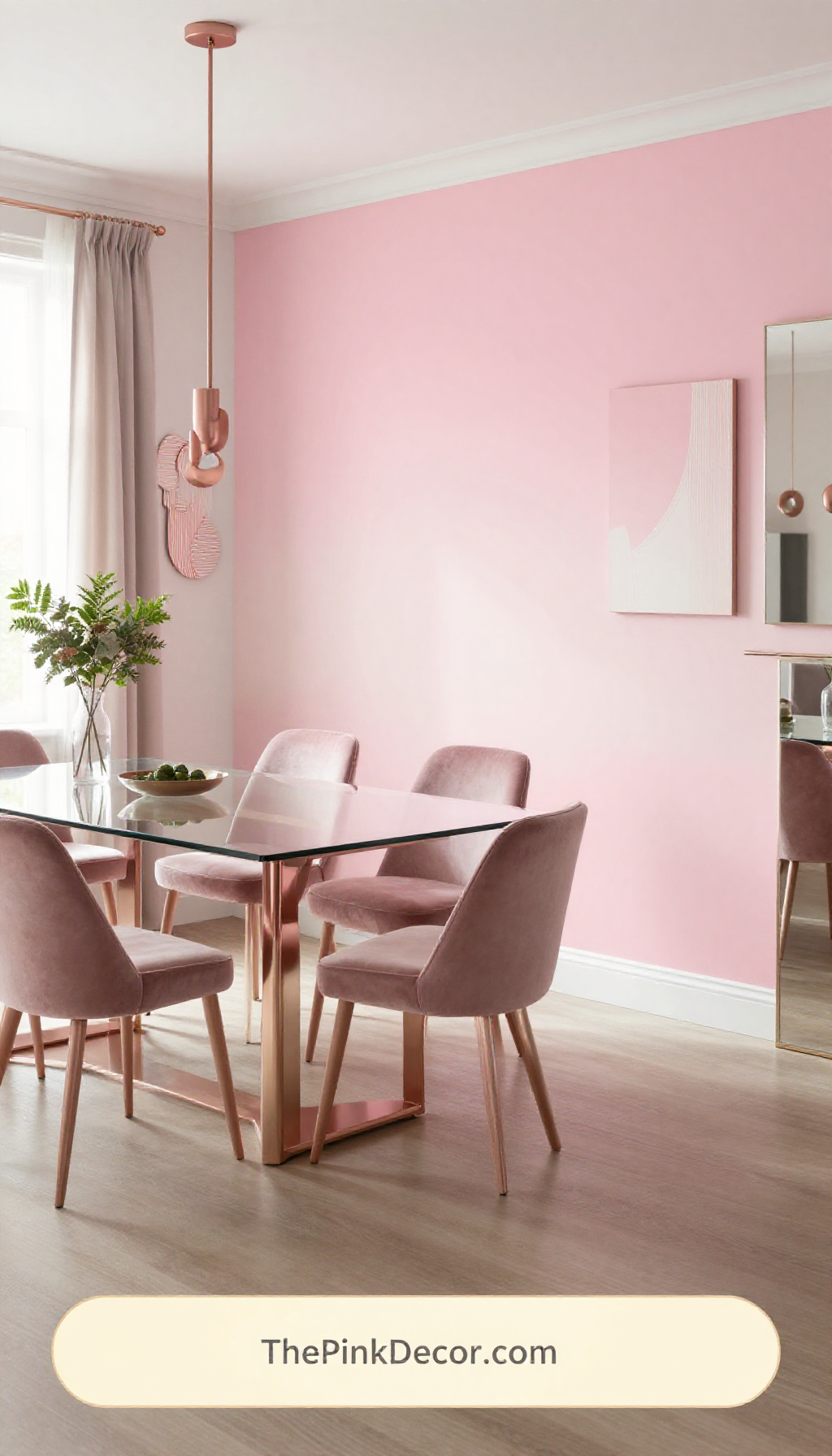
Follow this actionable seven-step process to transform your dining space with confidence and professional results.
- Choose Your Pink Shade – Assess your room’s natural light direction and size. North-facing rooms need warm pinks with yellow/peach undertones. Test at least three sample quarts on your actual wall, observing them at morning, noon, and evening for 7 days before committing.
- Plan the Layout – Measure your dining room precisely, noting window locations, outlets, and architectural features. Create a floor plan allowing 36″ clearance around the table. Consider traffic flow from kitchen to dining area and placement of serving surfaces.
- Select Anchor Pieces – Begin with the largest investment pieces: dining table and storage cabinet. For ombre walls, choose furniture in neutral tones like oak, walnut, or painted white. Anchor pieces establish the room’s scale and functional foundation.
- Add Complementary Colors – Choose 2-3 complementary colors beyond pink and metallics. Navy blue creates sophisticated contrast, sage green offers natural harmony, or charcoal gray provides modern edge. Apply the 60-30-10 rule consistently across walls, furniture, and accessories.
- Layer Different Textures – Intentionally mix velvet, linen, wood, metal, glass, and ceramic elements. For example, pair velvet dining chairs with a glass tabletop and brass light fixture. Textural contrast adds richness and prevents visual monotony.
- Incorporate Metallic Accents – Choose one primary metallic finish (brass, gold, chrome, or nickel) for 70% of metal elements, then complement with a secondary finish for remaining 30%. Apply metallics to lighting, hardware, frame edges, and decorative objects for cohesive shimmer.
- Style Final Details – Accessorize with intention: stack art books on a sideboard, arrange seasonal greenery, set the table with complementary linens. Implement smart storage like a drawer organizer for cutlery. Step back periodically to assess visual balance.
💡 Expert Design Tips
PRO TIP: For professional ombre results, mix your base blush pink with 25% white paint to create the lightest gradient shade. Use a natural sea sponge (not a brush) to blend the transition zones while paint is still wet. Apply the darkest shade at the bottom for visual weight, graduating upward. Always work on a primed wall in sections no wider than 3 feet to maintain wet edge blending. According to Farrow & Ball experts, pink with red undertones appears richer in evening artificial light—consider this for dining rooms used primarily at night.
🛍️ Where to Shop: Pink Dining Room Pieces
Budget-Friendly (Under $100)
IKEA’s INGEFÄRA collection offers pink glassware and textiles starting at $4.99. Target’s Project 62 line includes blush pink curtains and decorative pillows $19.99-$49.99. Amazon carries affordable ombre wall stencils and metallic spray paints for DIY accent pieces under $30.
Mid-Range ($100-$500)
West Elm’s velvet dining chairs in ‘Dusty Pink’ range $299-$399. CB2 offers modern brass chandeliers around $349. Pottery Barn’s washed linen table runners and napkins in blush tones cost $29-$79. Wayfair provides extensive pink area rug options with free shipping in this price bracket.
Luxury Investment ($500+)
Designer brands like Jonathan Adler offer iconic pink ceramic lamps from $550. Custom ombre wall painting services average $800-$1200 depending on room size. High-end retailers like Arteriors feature unique brass and pink marble accessories worthy of investment piece status.
🎨 Pink Dining Room Style Variations
Modern Minimalist
Clean lines, restrained pink application, and a less-is-more philosophy define this style. Use blush pink on one ombre wall only, paired with a monochromatic wood dining set and single statement light fixture. Keep accessories to absolute essentials.
Romantic Feminine
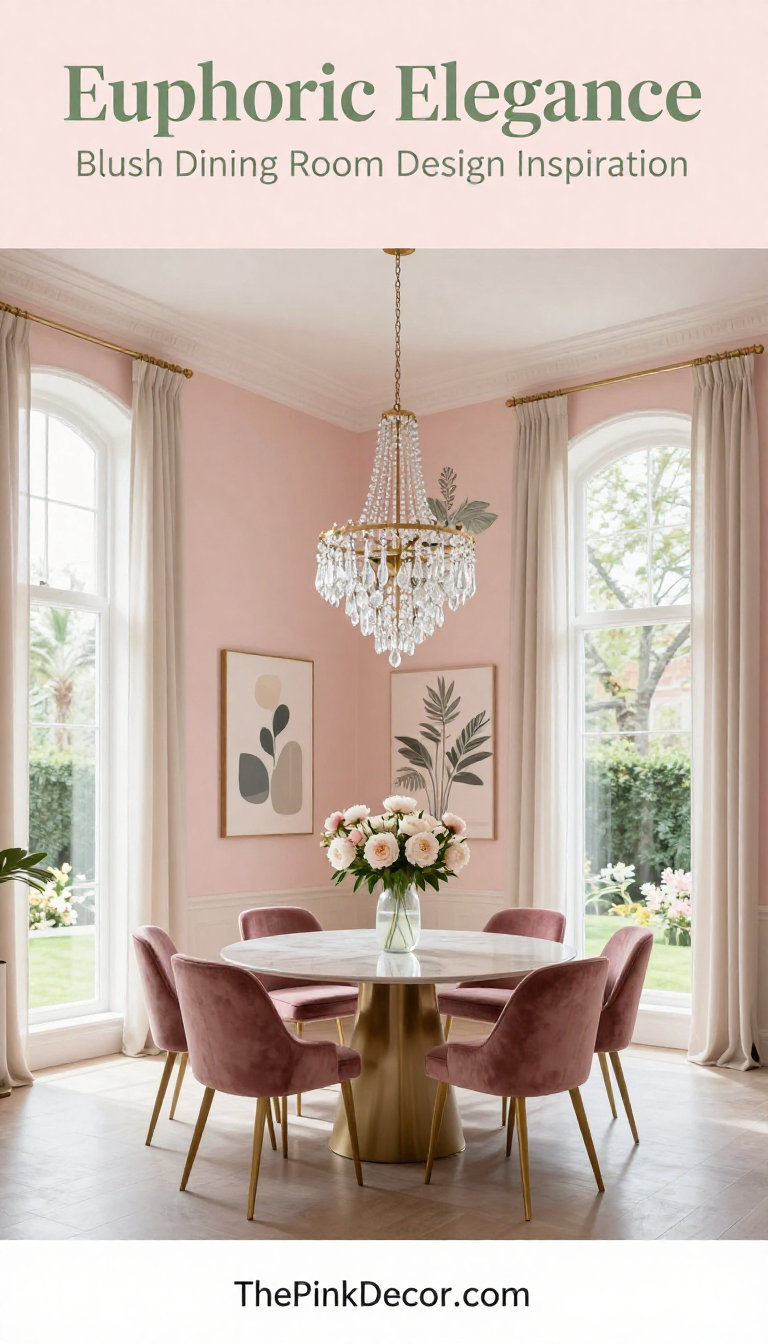
Layer blush pink ombre with sheer curtains, vintage-inspired furniture, and crystal chandeliers. Incorporate floral patterns subtly in upholstery or china. Soft, diffused lighting from multiple sources enhances the romantic atmosphere during evening dining.
Bold Contemporary
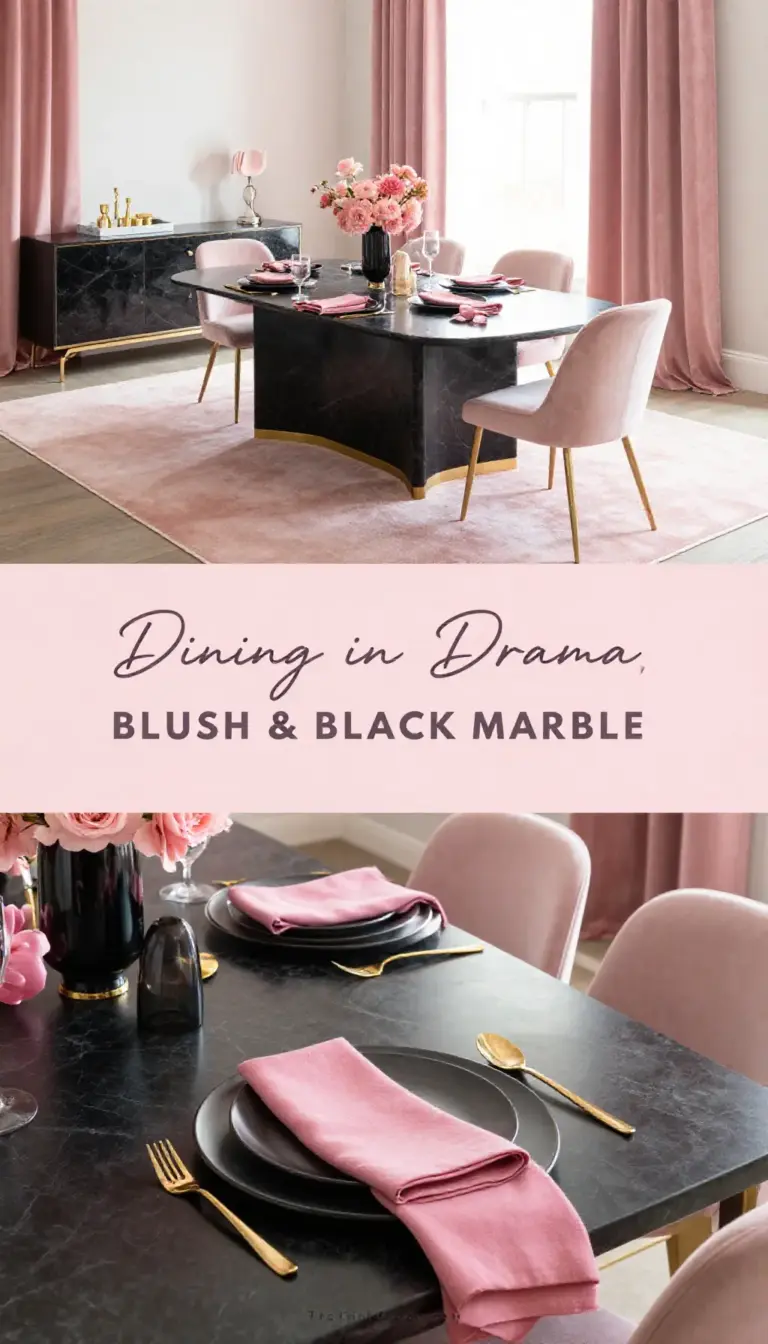
Combine vibrant pink ombre with geometric black furniture, abstract artwork, and unexpected materials like concrete or acrylic. Maintain balance by limiting bold pink to walls while keeping other elements neutral with sharp, architectural lines.
Scandinavian Hygge
Pale pink ombre walls provide a soft backdrop for natural wood tones, wool textiles, and functional beauty. Incorporate candlelight, organic shapes, and tactile materials that emphasize comfort and simple pleasures during meals.
🚫 4 Common Pink Design Mistakes to Avoid
- Overwhelming Pink Overload: Limit pink to approximately 30% of visible surfaces for sophistication. If walls are pink, choose neutral furniture and vice versa. Introduce pink gradually through accessories first if you’re hesitant about commitment.
- Wrong Pink for Your Lighting: Test paint samples extensively—pinks shift dramatically under different light conditions. North-facing rooms need warmer pinks with yellow/peach undertones to counteract cool natural light. South-facing rooms can handle cooler pinks.
- Clashing Undertones: Identify whether your pink has warm (yellow/peach) or cool (blue) undertones before pairing with other colors. Warm pinks complement gold metals and walnut woods; cool pinks pair with silver metals and gray tones.
- Ignoring Room Architecture: Match your pink style to your home’s architecture. Traditional homes suit softer blush pinks, while modern spaces can handle brier millennial or hot pink accents. Consider ceiling height, window proportions, and existing trim details.
❓ Frequently Asked Questions
Is pink too bold for a Dining Room?
Not at all—when executed thoughtfully, pink creates a sophisticated, inviting dining atmosphere. Start with pale blush tones on a single accent wall or through accessories if hesitant. Pink stimulates conversation and appetite, making it functionally ideal for dining spaces.
What colors pair best with pink in interior design?
Navy blue (sophisticated contrast), sage green (natural harmony), charcoal gray (modern edge), warm wood tones (organic balance), crisp white (fresh brightness), and metallic gold/brass (luxurious accent). These combinations work across various design styles.
How can I add pink without painting walls?
Use pink dining chairs, area rugs, curtains, table linens, artwork, decorative pillows on bench seating, ceramic tableware, or a pink glass chandelier. Textile-based pink elements offer maximum flexibility and are easily changed seasonally.
Will pink decor go out of style?
While specific pink shades trend (like millennial pink), blush tones have remained classic for decades. Choose pink with neutral undertones rather than extreme tones for longevity. Quality pink pieces can be easily updated with changing accent colors.
What pink shade works in small Dining Rooms?
Light blush pinks with white undertones (like Benjamin Moore ‘White Heron’ OC-57) maximize light reflection in small spaces. Avoid dark pinks that absorb light. Use the ombre technique to create illusion of height rather than overwhelming color.
✨ Before & After: Real Transformation Examples
A previously beige 10×12 dining room underwent dramatic transformation with a blush-to-white ombre wall using Sherwin-Williams ‘Cameo White’ SW 7566. The $350 project (paint, supplies, new brass curtain rods) took one weekend. Neutral linen curtains replaced heavy drapes, and a round oak table improved traffic flow. The space now feels twice as large and receives constant compliments.
Another renovation involved a dark, dated dining area with mahogany paneling. After priming, a vertical ombre using Farrow & Ball ‘Pink Ground’ No. 202 created airy sophistication. The homeowners invested $1200 in a custom brass light fixture and six blush velvet chair cushions. The 3-week project increased their home’s perceived value by creating a memorable, photogenic space for entertaining.
📸 How to Photograph Your Pink Dining Room
Capture your space during golden hour (hour after sunrise/before sunset) when natural light is warm and diffuse. Turn on all ambient lighting to showcase how metallics interact with both natural and artificial light sources throughout the day.
Style vignettes on your table and sideboard with layered textiles, stacked books, and intentional negative space. Remove everyday clutter but include a few “lived-in” elements like a partially set table or wine glasses to suggest functionality.
Shoot from multiple angles: straight-on to showcase the ombre gradient, overhead for table settings, and from seating height to capture the dining experience. Use hashtags like #pinkdiningroom #ombrewall #diningroomdecor when sharing on social platforms.
Final Thoughts
Creating a modern blush pink ombre gradient dining room wall decor ideas with metallic accents combines artistic expression with sophisticated design principles. This approach transforms ordinary dining spaces into memorable environments that enhance daily meals and special occasions alike.
Remember that successful pink dining rooms balance color with neutrals, mix textures intentionally, and incorporate metallic accents consistently throughout the space. Start small if needed—even a single pink ombre accent wall creates dramatic impact. For continued inspiration, explore our complete Blush Pink Ombre Gradient Dining Wall with Metallic Accents portfolio.
Your dining room should reflect your personal style while creating warmth and connection. These modern blush pink ombre gradient dining room wall decor ideas with metallic accents offer a timeless yet contemporary foundation you can adapt and evolve for years to come.
💬 Ready to transform your Dining Room? Share your pink decor journey in the comments below! For more inspiration, explore our complete Dining Room collection.