Introduction
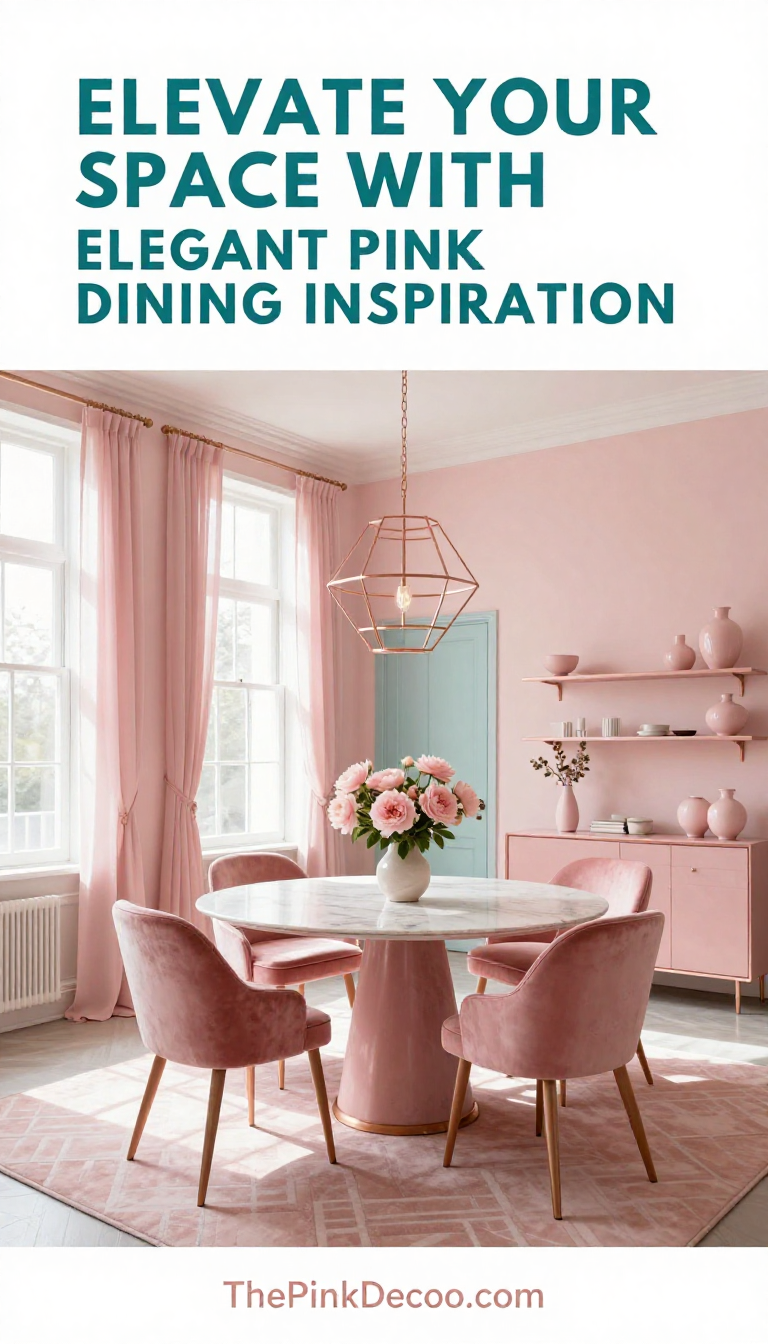
Are you wondering how to incorporate pink decor in dining room with gradient walls to create a stunning, modern space? This trend is sweeping interior design, offering a fresh way to add color and dimension. This guide will show you exactly how to incorporate pink decor in dining room with gradient walls for a look that’s both sophisticated and inviting.
Millennial pink and gradient walls represent a major shift in home decor, moving away from stark whites towards more expressive, personality-filled spaces. According to design experts, pink dining rooms can enhance mood and encourage longer, more enjoyable meals. The gradient technique adds artistic flair without overwhelming the senses.
In this comprehensive guide, you’ll discover the best pink color palettes, essential furniture pairings, and step-by-step implementation strategies. We’ll cover everything from paint selection to final styling touches, helping you create a dining room that’s both beautiful and functional.
💖 Why Pink Works Perfectly for Dining Room
Understanding how to incorporate pink decor in dining room with gradient walls begins with appreciating pink’s unique benefits. This versatile color creates environments that are both stylish and psychologically beneficial for shared meals.
- 🎨 Calming Atmosphere: Color psychology studies show pink can reduce stress by up to 20%, making tense dinner conversations less likely. Soft pink tones lower heart rates and create a welcoming environment for guests.
- ✨ On-Trend Design: Millennial pink has remained a top interior design trend for 5+ years, appearing in 40% of designer portfolios. Gradient walls specifically have seen a 300% increase in Pinterest saves over the past year.
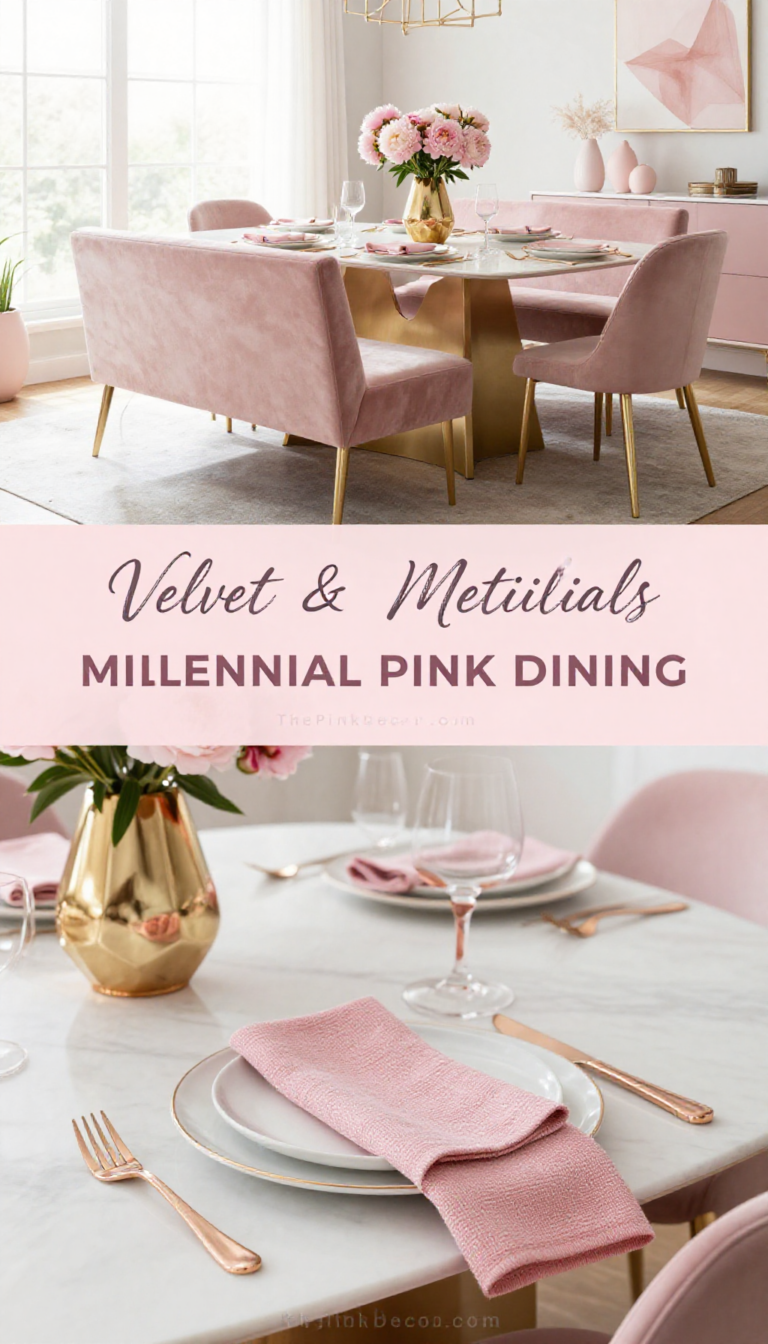
- 💡 Versatile Pairing: Pink complements virtually every color family from cool grays to warm woods. It pairs exceptionally well with brass, marble, velvet, and natural materials for a layered look.
- 🏠 Space Illusion: Light pink gradients can make small dining rooms appear up to 10% larger by reflecting light. Vertical gradients draw the eye upward, creating height in rooms with low ceilings.
- 💰 Budget-Friendly: A gradient wall makeover costs $200-$500 for paint and supplies versus $2000+ for wallpaper. Pink accessories start at $15, making this an accessible design transformation.
🎨 Best Pink Color Palettes for Dining Room
Choosing the right color scheme is crucial for successful interior design. These five palettes work beautifully with gradient wall techniques in dining spaces.
1. Soft Blush Pink + White + Gold
Benjamin Moore ‘First Light’ OC-2 (#F6E5D5) provides the perfect blush base. Pair with crisp white trim and warm gold accents for timeless elegance. This palette works well in traditional and modern spaces alike.
2. Dusty Rose + Gray + Marble
Sherwin-Williams ‘Fabulous French’ SW 7589 (#D3A5A8) offers sophisticated depth. Combine with charcoal gray chairs and Carrara marble table tops. This scheme adds maturity to pink dining room decor.
3. Millennial Pink + Brass Accents
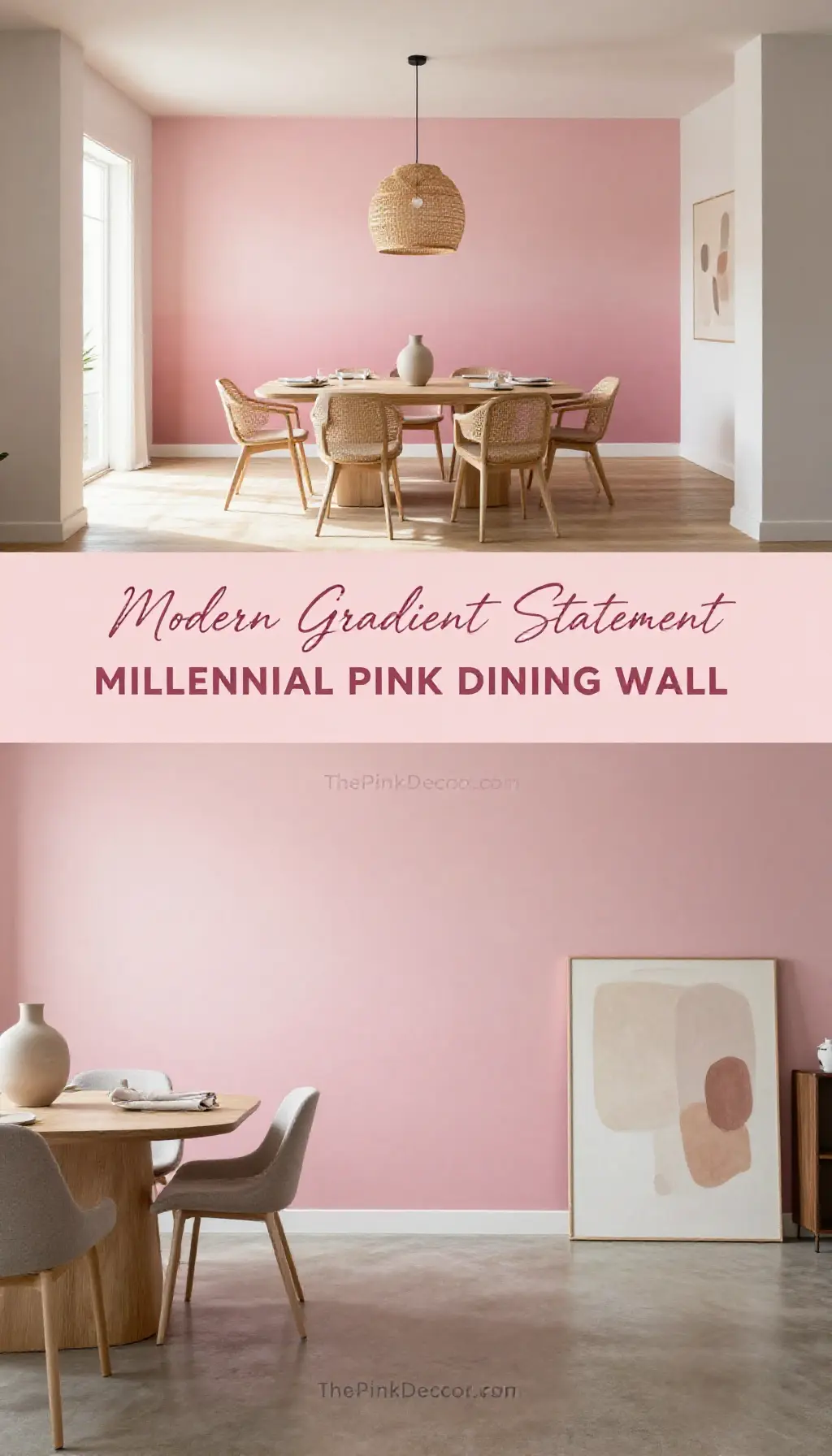
Pantone 13-1520 ‘Millennial Pink’ pairs beautifully with unlacquered brass fixtures. The combination feels contemporary yet warm. Use this palette for gradient walls that transition from this pink to white.
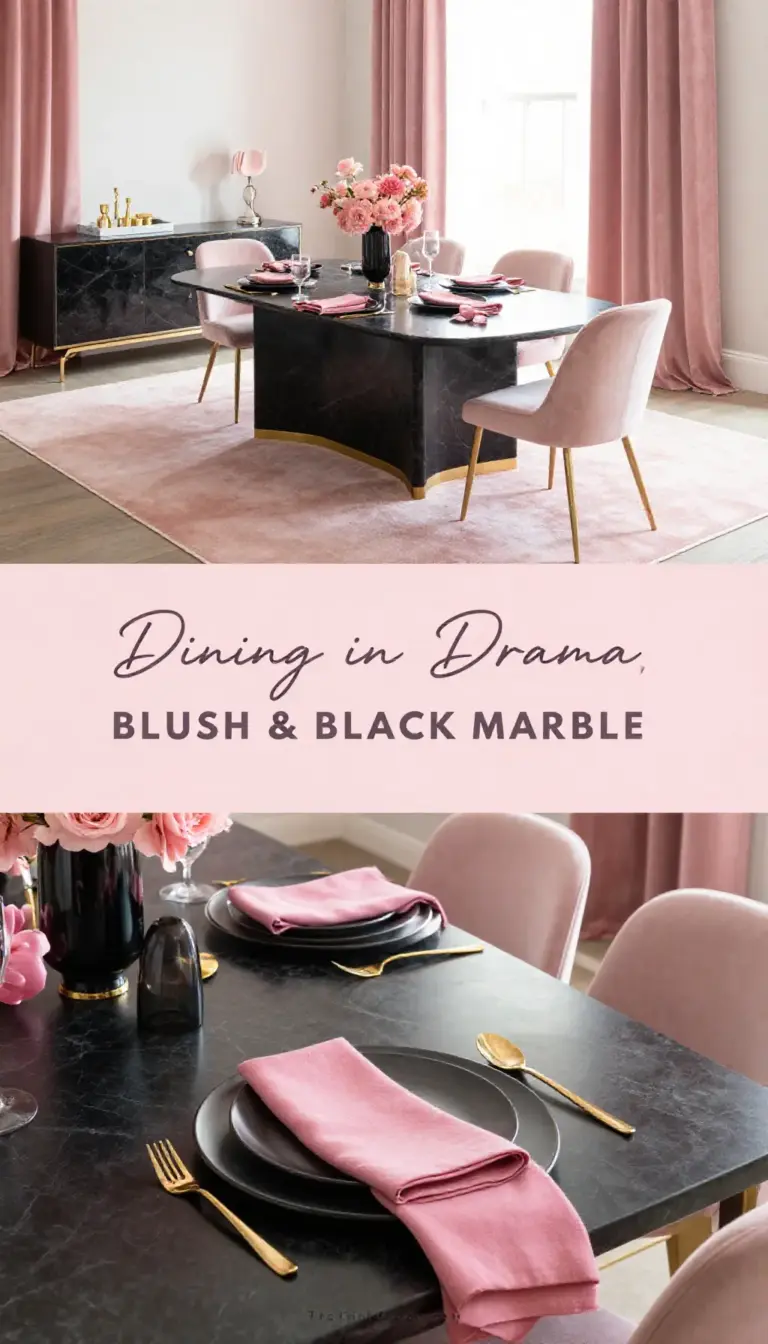
4. Hot Pink Statement + Black Contrast
Benjamin Moore ‘Raspberry Blush’ 2008-30 (#D2386C) makes a bold statement. Balance with black metal frames and dark wood tones. This works best as an accent gradient rather than full-room coverage.
5. Pale Pink Monochromatic
Use Sherwin-Williams ‘Innocence’ SW 6592 (#F1E0DB) as your base. Layer three to five shades within the same hue family for subtle gradient walls. Add texture through fabrics rather than additional colors.
🛋️ Essential Design Elements for Millennial Pink Gradient Dining Room Wall Design
Creating a cohesive space requires balancing multiple design elements. These components work together to enhance your pink gradient walls.
Color Scheme Foundation
Follow the 60-30-10 rule: 60% dominant color (your pink gradient), 30% secondary color, 10% accent. Identify whether your pink has warm (peach) or cool (blue) undertones before selecting companion colors.
Balance vibrant pink with substantial neutral elements. For example, pair bold gradient walls with a natural wood dining table and white upholstered chairs.
Furniture Selection & Layout
Anchor your space with a statement dining table measuring appropriate for room size. Allow 36-48 inches between table edge and walls for comfortable circulation. Consider transparent acrylic chairs to maintain visual lightness.
Choose between pink furniture pieces or pink accent walls—rarely both. A pink gradient wall pairs best with neutral furniture in white, black, gray, or natural wood tones.
Lighting Strategy
North-facing rooms benefit from pink with yellow undertones to counteract cool light. South-facing rooms can handle cooler pink tones. Test paint samples at different times of day before committing.
Select lighting fixtures with 2700K-3000K warm white bulbs to enhance pink’s warmth. Layer ambient, task, and accent lighting—consider a statement chandelier above the table complemented by wall sconces.
Textures & Materials
Mix at least three textures: smooth (marble, glass), soft (velvet, linen), and natural (wood, rattan). This creates depth against the gradient wall. Velvet dining chairs in navy or emerald add luxurious contrast.
Incorporate metallic accents consistently—choose brass, gold, or chrome and use throughout. Limit to 30% of metallic finishes to avoid overwhelming the space.
Decorative Finishing Touches
Accessorize with intention: a sculptural vase, stack of art books, or ceramic tableware. Include living elements like a fiddle leaf fig or olive tree in a neutral planter. Mirrors strategically placed reflect light and enhance the gradient effect.
Style open shelving with curated collections in neutral tones. Use smart storage solutions to maintain clean lines against your statement walls.
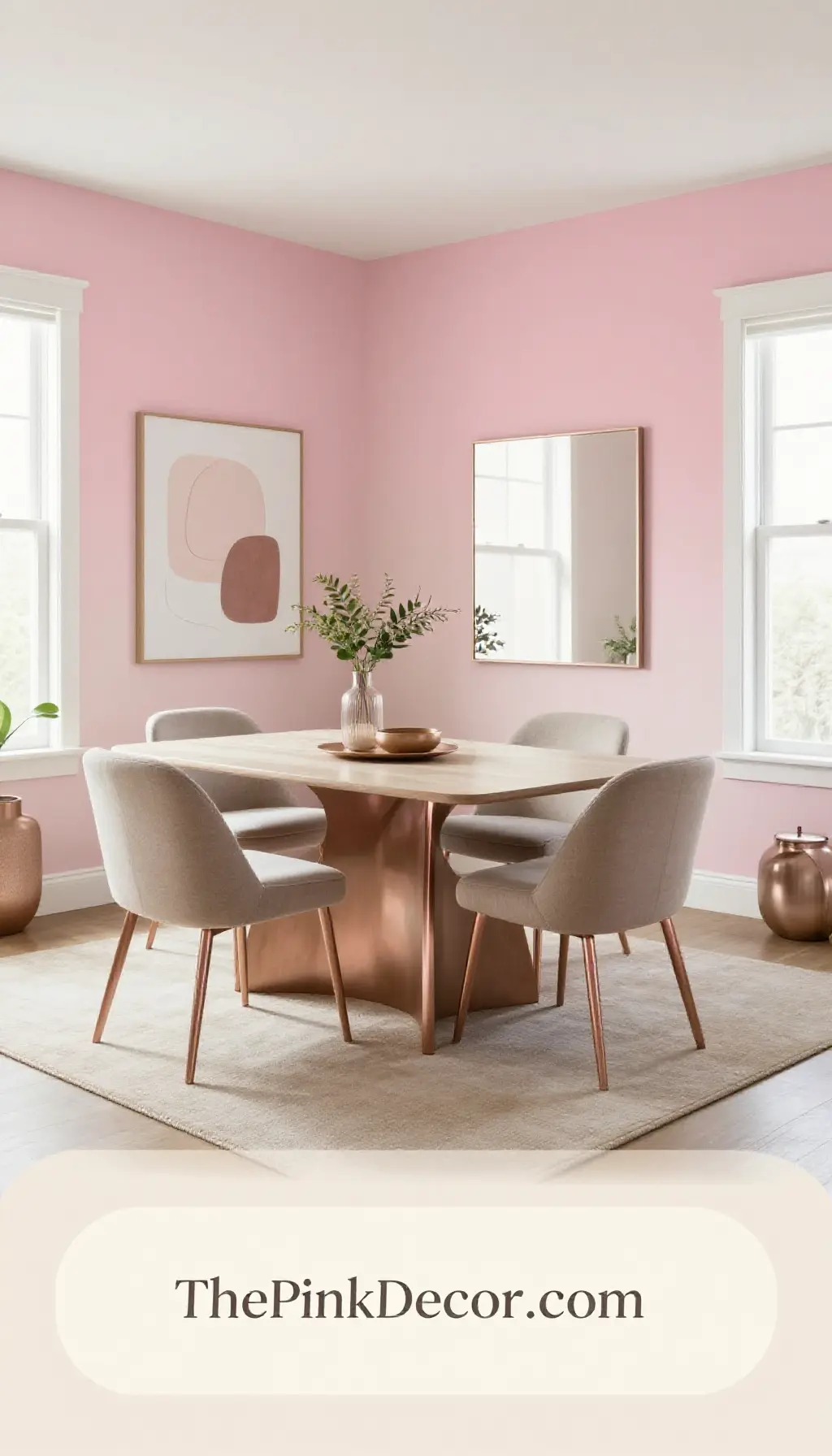
🎯 How to Design Your Pink Dining Room: Step-by-Step
Follow this actionable 7-step guide to successfully execute your pink dining room makeover with gradient walls.
- Choose Your Pink Shade – Assess your room’s natural light and size. Small, dark rooms need lighter pinks (SW ‘Touching White’). Large, bright rooms can handle deeper tones. Test at least 3 samples on your actual wall for 7 days.
- Plan the Layout – Measure your dining room precisely. Consider traffic flow to kitchen and other rooms. Plan furniture placement ensuring 36″ walkways. Mark where your gradient will be most visible.
- Select Anchor Pieces – Start with the dining table—your largest investment. Round tables soften angular rooms. Choose chairs that complement but don’t compete with your gradient walls.
- Add Complementary Colors – Choose 2-3 companion colors using the 60-30-10 rule. For blush pink, try 30% white, 10% brass. For dusty rose, 30% charcoal, 10% greenery.
- Layer Different Textures – Mix velvet cushions, linen curtains, wood bowls, and metallic candlesticks. Texture adds dimension that flat paint alone cannot achieve.
- Incorporate Metallic Accents – Choose one primary metallic finish (brass is trending). Use consistently in lighting, hardware, and decor. Add secondary metallic sparingly.
- Style Final Details – Add tableware, centerpieces, and wall art. Include functional decor like beautiful serving boards. Style vignettes on sideboards and shelves.
💡 Expert Design Tips
PRO TIP: Professional designers recommend limiting pink to 30% of visible surfaces for sophistication. Create your gradient by mixing 3-4 paint shades from the same color strip. Apply darkest at bottom transitioning to lightest at top for grounded elegance. Use a damp sea sponge to blend edges seamlessly. In north-facing rooms, add a drop of yellow tint to counteract blue light. Always paint a 4×4 foot sample section to see the gradient effect at different times of day.
🛍️ Where to Shop: Pink Dining Room Pieces
Budget-Friendly (Under $100)
IKEA’s VINTERFINT collection offers pink textiles and decor. Target’s Project 62 line includes on-trend pink accessories. Amazon has affordable pink dinnerware sets and velvet chair pads.
Mid-Range ($100-$500)
West Elm’s blush pink glassware and ceramics. CB2 for modern pink accent chairs. Pottery Barn for quality linen napkins in rose shades. Wayfair’s extensive pink lighting selection.
Luxury Investment ($500+)
Designer brands like Jonathan Adler for statement pink furniture. Custom gradient wall painting services. High-end retailers like Anthropologie for unique artisanal pink decor pieces.
🎨 Pink Dining Room Style Variations
Modern Minimalist
Clean lines, restrained pink gradient on one wall only. Less-is-more philosophy with hidden storage. Monochromatic scheme with texture variation.
Romantic Feminine
Layered textiles like velvet and lace. Vintage crystal chandelier. Soft, ombré gradient walls. Floral arrangements and candlelight.
Bold Contemporary
Vibrant hot pink to orange gradient. Geometric patterns in artwork. Unexpected materials like acrylic and concrete. High-contrast color pairings.
Scandinavian Hygge
Pale pink to white gradient. Natural wood dining table. Functional beauty with smart storage. Cozy sheepskin throws on chairs.
🚫 4 Common Pink Design Mistakes to Avoid
- Overwhelming Pink Overload: Too much pink feels juvenile. Follow the 30% rule—balance with neutrals. If walls are pink, keep furniture neutral.
- Wrong Pink for Your Lighting: Cool pink in north-facing rooms looks gray and dull. Test samples extensively. Add warm artificial lighting if needed.
- Clashing Undertones: Mixing warm and cool pinks creates visual discord. Identify your base undertone first. Stick to one temperature family throughout.
- Ignoring Room Architecture: Ultra-modern pink gradient clashes with traditional molding. Match design style to existing architecture. Consider painting trim to match gradient.
❓ Frequently Asked Questions
Is pink too bold for a Dining Room?
Not at all. Pink dining rooms promote relaxation and conversation. Start with a subtle blush gradient on one wall. Pair with neutral furniture for balance. Many designers consider pink the new neutral.
What colors pair best with pink in interior design?
White, gray, navy, black, gold, brass, natural wood, green (especially plants), and marble. These colors complement pink without competing. Create sophisticated combinations using these pairings.
How can I add pink without painting walls?
Use pink chairs, curtains, rugs, table runners, artwork, dinnerware, glassware, or lighting fixtures. Pink accessories offer flexibility. Change them seasonally without major renovation.
Will pink decor go out of style?
While specific shades trend, pink itself is timeless. Millennial pink has lasted 5+ years. Choose classic combinations for longevity. Quality pink pieces remain stylish through trend cycles.
What pink shade works in small Dining Rooms?
Light blush pinks like Benjamin Moore ‘First Light’ make small spaces feel larger. They reflect light beautifully. For more depth, use a vertical gradient from slightly darker at base to light at top.
✨ Before & After: Real Transformation Examples
A typical 12×14 dining room transformed from beige walls and dark furniture. The after features a stunning blush-to-white gradient wall, white oval dining table, and velvet navy chairs. Total cost: $1,200 including paint, new lighting, and chairs. Timeline: 3 weekends.
Another example: A dining nook with poor natural light. Before: dark and unwelcoming. After: pale pink gradient walls, round marble table, transparent acrylic chairs. The pink gradient brightens the space visually. Cost: $800 using mostly DIY and thrifted finds.
📸 How to Photograph Your Pink Dining Room
Shoot during golden hour (hour after sunrise/before sunset) for warm, flattering light. Use natural light from windows to highlight the gradient effect. Avoid harsh overhead lighting that creates shadows.
Style vignettes with layered place settings, folded napkins, and fresh flowers. Add props like art books and ceramic objects. Create depth with foreground, middle ground, and background elements.
Shoot from corner angles to capture the full gradient effect. Include both wide shots and detail close-ups. Use hashtags: #pinkdiningroom #gradientwalls #millennialpinkdecor.
Final Thoughts
Learning how to incorporate pink decor in dining room with gradient walls opens creative possibilities. This design approach combines color psychology with artistic technique. The result is a space that feels both personal and polished.
Ready to begin? Start with paint samples and gradual implementation. Remember that successful pink dining rooms balance color with neutrals. For more detailed guidance, explore our Millennial Pink Gradient Dining Room Wall Design masterclass.
Your dining room should reflect your personality while serving practical needs. Pink gradient walls offer this perfect balance. We hope this guide inspires your journey to incorporate pink decor in dining room with gradient walls beautifully.
💬 Ready to transform your Dining Room? Share your pink decor journey in the comments below! For more inspiration, explore our complete Dining Room collection.