Modern Pink Entryway Design Ideas
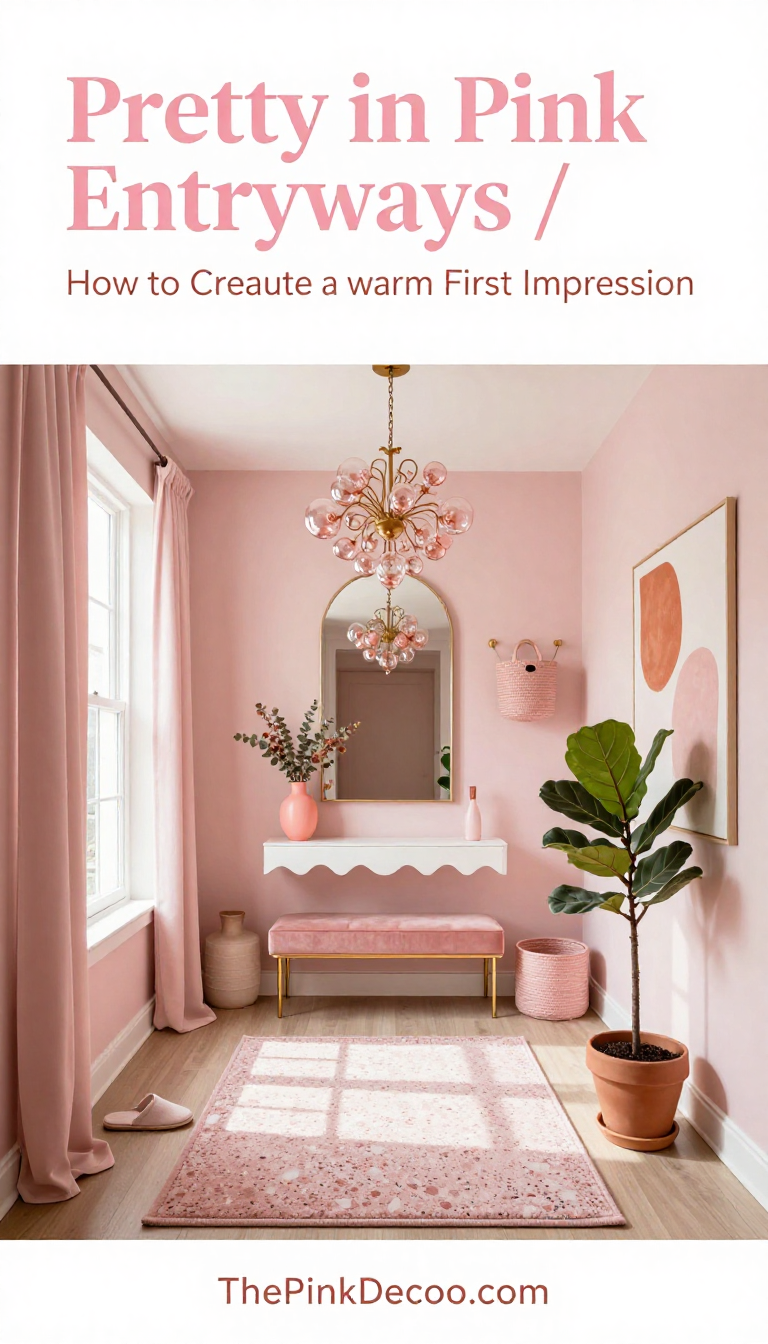
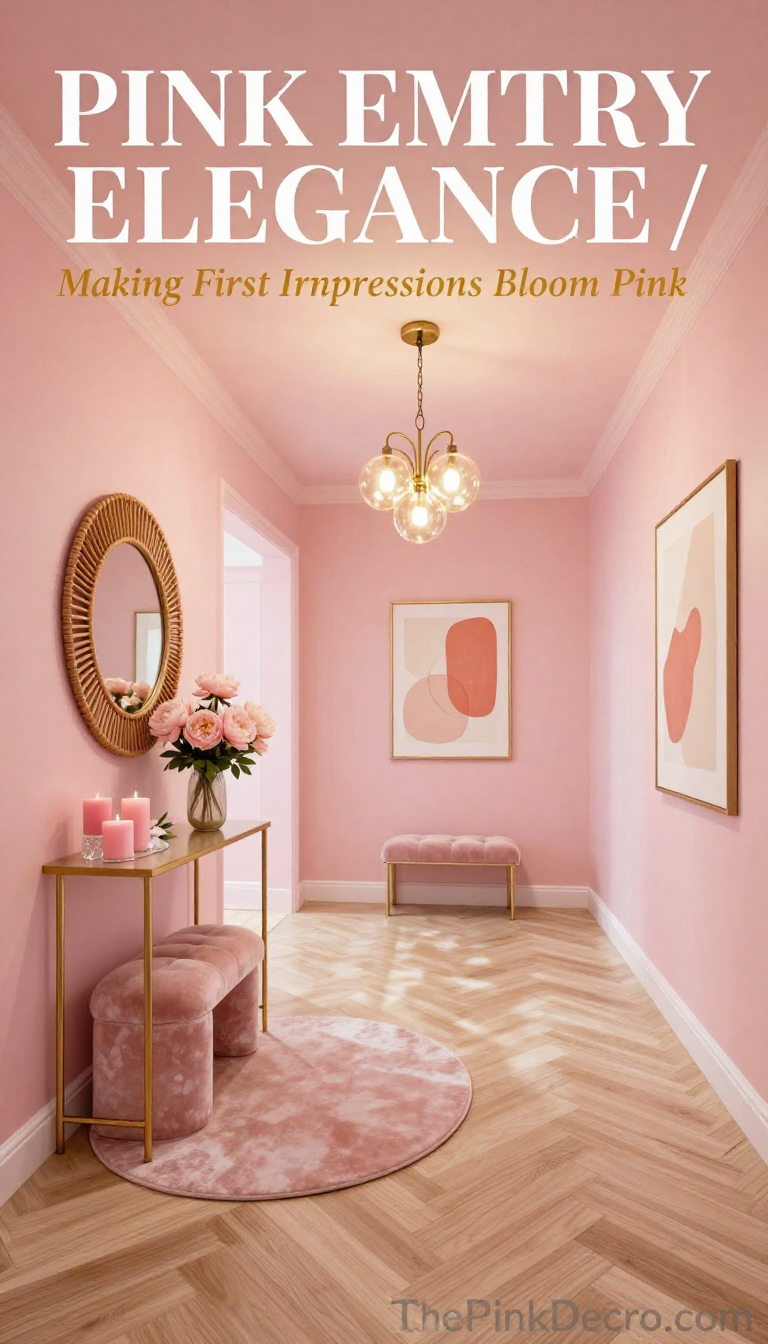
Your entryway serves as the first impression of your home—a transitional space that sets the tone for your entire interior. In recent years, pink entryway design has emerged as a sophisticated and surprisingly versatile choice for modern homes. Far from the stereotypical nursery hue, contemporary pink palettes range from subtle blush whispers to bold millennial statements, offering endless possibilities for creating a welcoming, stylish entryway.
When considering pink entryway design ideas and inspiration for modern homes, it’s essential to understand how this once-underestimated color has evolved. Today’s pink tones are gender-neutral, sophisticated, and work beautifully with various design aesthetics from minimalist to maximalist. The psychology behind pink—particularly softer shades—creates a calming, welcoming atmosphere that’s perfect for transitioning from the outside world into your personal sanctuary. A thoughtfully designed pink entryway can make guests feel instantly welcomed while reflecting your personal style in a memorable way.
This comprehensive guide explores how to incorporate pink into your entryway design with confidence and creativity. Whether you’re planning a complete entryway renovation or simply looking to refresh your space with pink accents, you’ll discover practical strategies, color combinations, and design principles that transform your foyer into a stunning, Instagram-worthy space. From choosing the perfect pink shade to selecting complementary materials and accessories, we’ll cover everything you need to create a pink entryway that’s both beautiful and functional.

💖 Why Pink Works Perfectly for Your Entryway
- 🎨 Color Psychology Benefit: Pink, particularly softer shades like blush and rose, creates a calming, welcoming atmosphere. It’s associated with warmth, comfort, and hospitality—perfect qualities for an entryway where you greet guests and transition from outside to inside.
- ✨ Design Trend Benefit: Pink entryways are incredibly Instagram-worthy and align perfectly with current interior design trends. Millennial pink, dusty rose, and blush tones have become modern classics that feel fresh, contemporary, and sophisticated.
- 💡 Versatility Benefit: Pink pairs exceptionally well with a wide range of colors and materials. From crisp whites and warm woods to cool grays and metallic accents, pink serves as a versatile base that complements various design elements in your entryway.
- 🏠 Space Enhancement: Lighter pink shades can make small entryways feel larger and brighter by reflecting light. Even darker pinks, when used strategically, can create cozy, intimate spaces that feel inviting rather than cramped.
- 💰 Budget-Friendly: You don’t need a complete renovation to incorporate pink. Simple additions like a pink console table, blush rug, or rose gold accessories can transform your entryway without significant investment.
🎨 Pink Color Palette Ideas for Entryway
Choosing the right pink palette is crucial for your entryway’s success. Here are five sophisticated combinations perfect for modern homes:
1. Soft Blush Pink with White and Gold
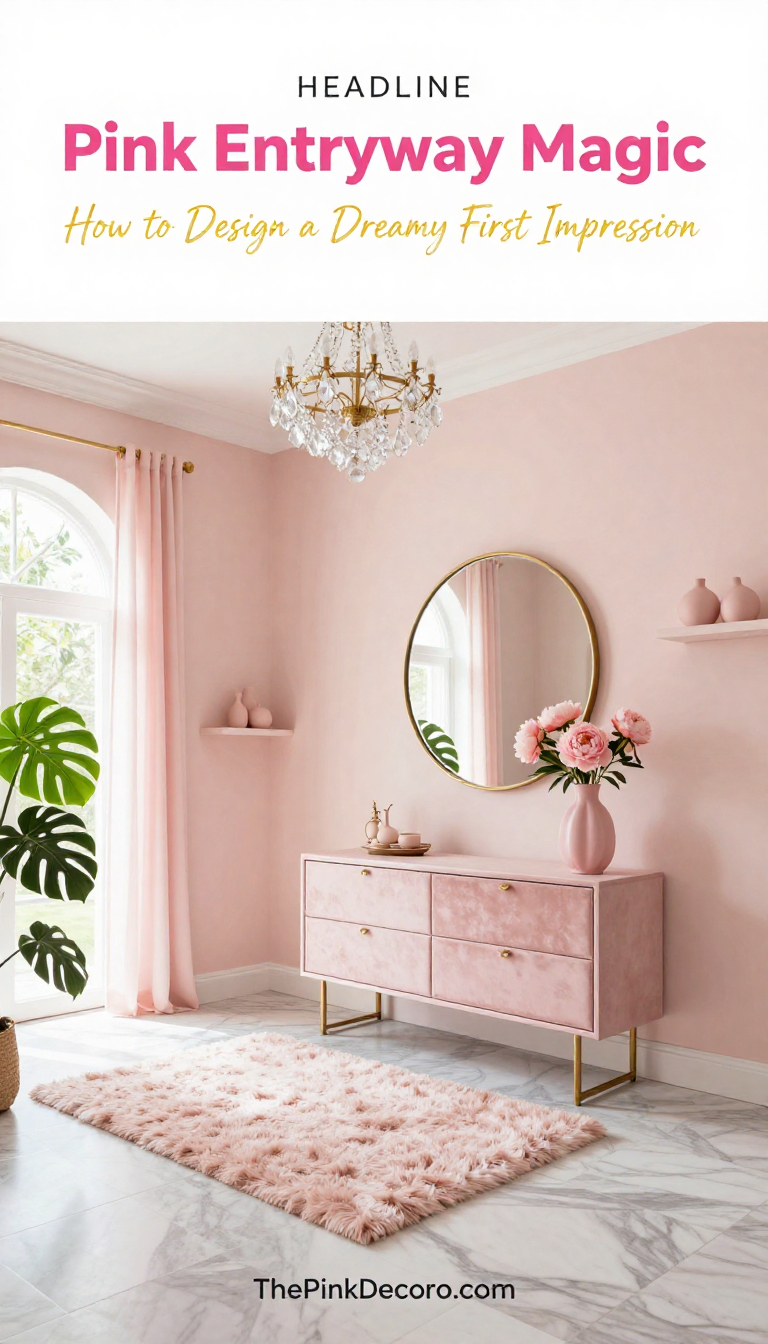
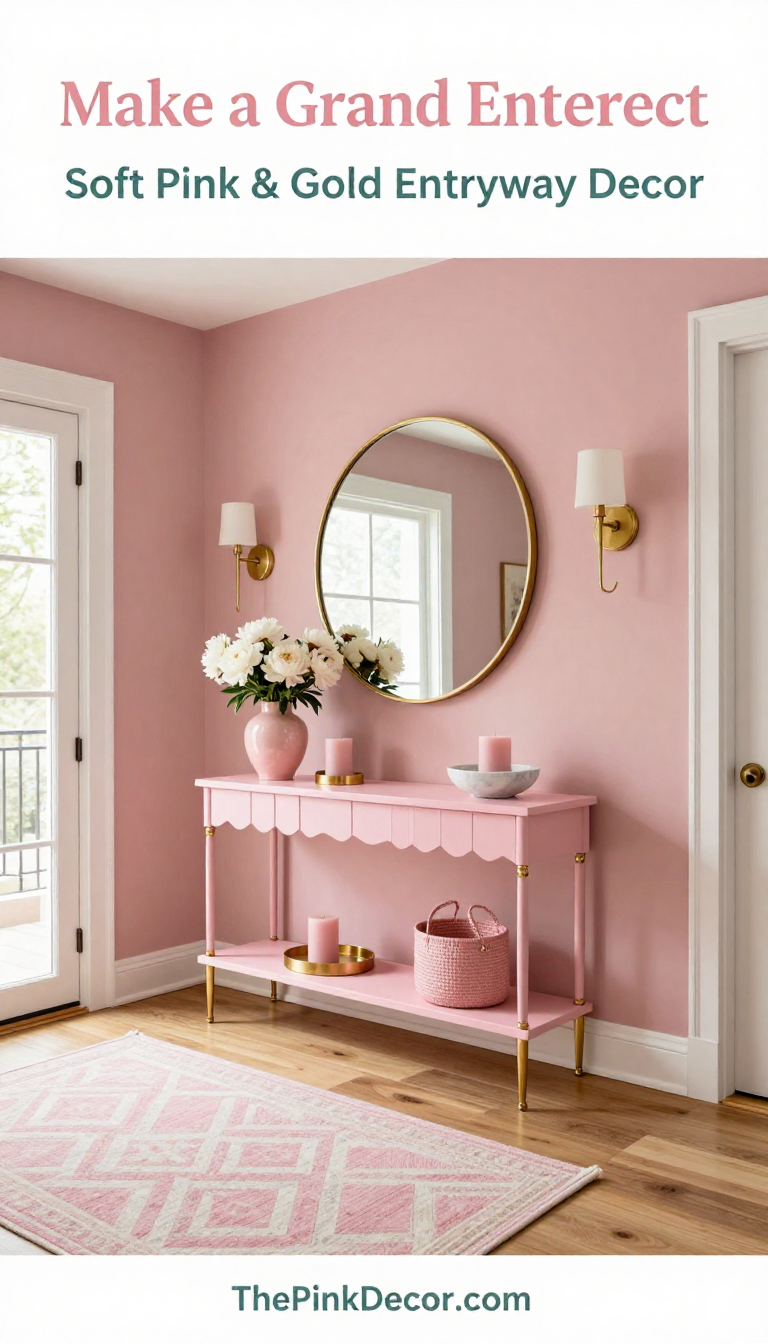
This timeless combination features blush pink walls or furniture (hex #F8C8DC) paired with crisp white trim and gold accents. Benjamin Moore’s “First Light” (2102-70) or Sherwin-Williams “Innocence” (SW 6588) work beautifully. The gold adds warmth and luxury, while white keeps the space feeling fresh and clean.
2. Dusty Rose with Gray and Marble
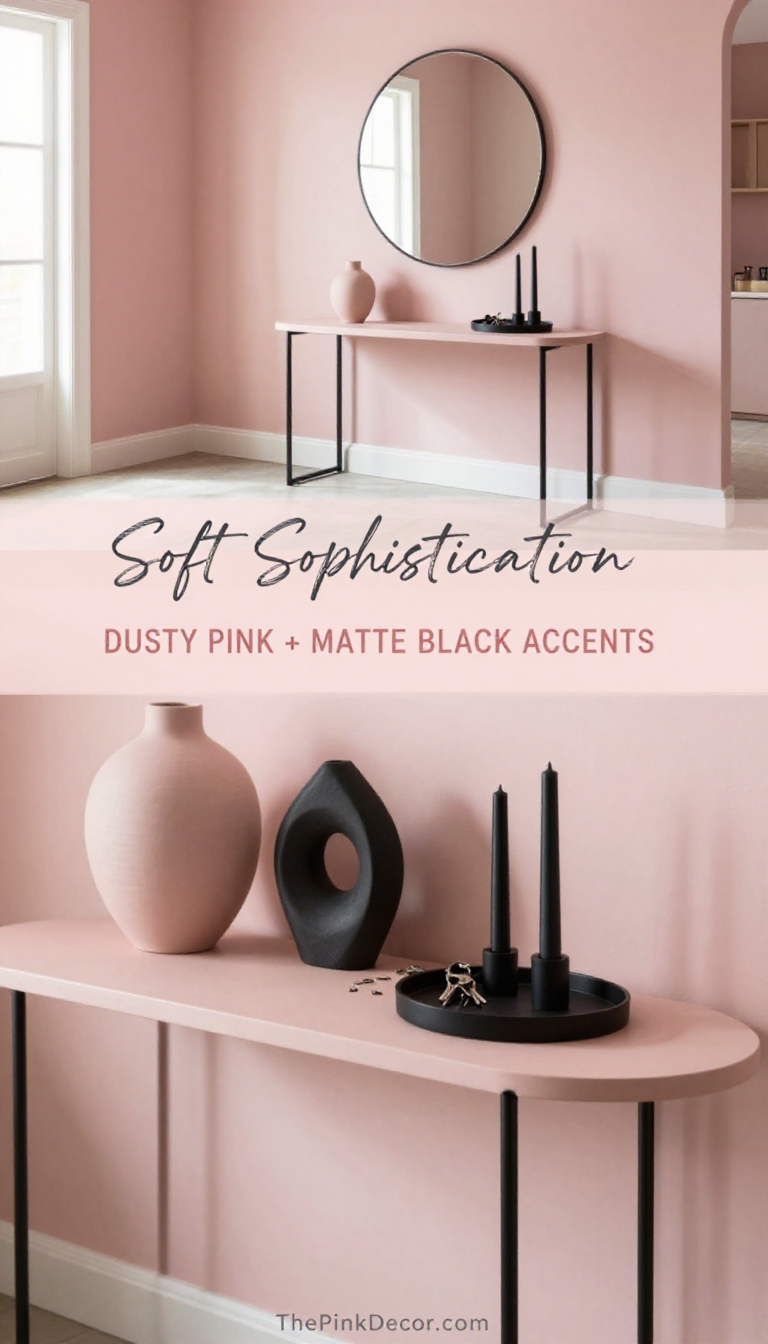
A more muted, sophisticated palette combining dusty rose (hex #C9A9A6) with charcoal gray and marble accents. Farrow & Ball’s “Setting Plaster” or Behr’s “Polished Pink” create this elegant effect. The gray adds contemporary edge, while marble brings natural texture.
3. Millennial Pink with Brass Accents
The iconic millennial pink (hex #F3CFC6) paired with unlacquered brass creates a modern, slightly industrial feel. Try Sherwin-Williams “Faint Coral” (SW 9006) or Benjamin Moore “Pink Bliss” (2093-70). Brass hardware, light fixtures, and decorative objects complement this pink perfectly.
4. Hot Pink Bold Statement with Black
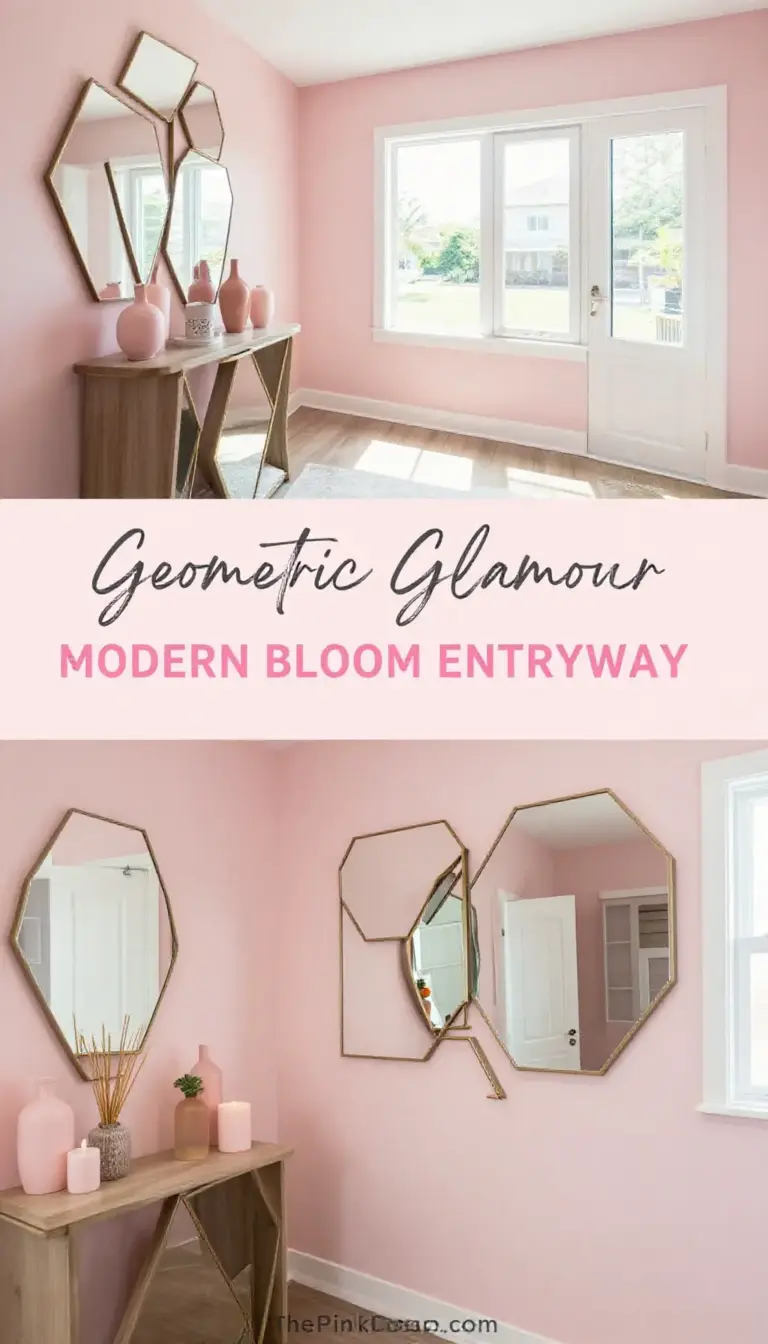
For dramatic, contemporary entryways, pair hot pink (hex #FF69B4) with matte black elements. Benjamin Moore “Razzle Dazzle” (2073-30) makes a striking statement. Use black in furniture frames, picture frames, or lighting fixtures to ground the vibrant pink.
5. Pale Pink Monochromatic
Layer varying shades of pale pink (from hex #FADADD to #F4C2C2) for a sophisticated, tonal look. This approach works beautifully with natural light and creates a serene, cohesive entryway. Consider Sherwin-Williams “Carnation” (SW 6587) for walls with deeper pink accents.
🛋️ Essential Elements for Pink Entryway Design
1. Color Scheme
Your pink entryway design should begin with a balanced color scheme. If using pink as your dominant color, pair it with 60-70% neutral tones (white, gray, beige), 20-30% pink elements, and 10% accent colors (metallics, navy, or green). Consider the undertones: pink with blue undertones pairs well with gray and silver, while pink with yellow undertones complements gold and warm woods. For small entryways, use pink on vertical surfaces or as accent furniture rather than wall-to-wall color to prevent overwhelming the space.
2. Furniture & Layout
Key furniture pieces for a pink entryway include a console table (in pink or a complementary color), storage solutions like a pink bench with hidden compartments, and possibly a statement chair. Arrange furniture to allow clear pathways—typically 36-48 inches of walking space. For narrow entryways, consider wall-mounted pink shelves or a floating console. Pink furniture doesn’t need to be overwhelming: a blush velvet bench or rose-tinted glass console can make subtle statements. Balance bold pink pieces with neutral larger items.
3. Lighting
Lighting dramatically affects how pink appears in your entryway. Natural light enhances pink’s warmth, while artificial lighting can alter its tone. For overhead lighting, choose fixtures with warm white bulbs (2700K-3000K) to enhance pink’s coziness. Consider a pink-tinted glass pendant or a rose gold chandelier as a statement piece. Layer lighting with wall sconces (in brass or gold finishes), and always include task lighting near mirrors or console tables. Dimmer switches allow you to adjust pink’s intensity throughout the day.
4. Textures & Materials
Texture prevents pink from feeling flat or juvenile. Combine velvet pink cushions with matte ceramic vases, polished marble surfaces with brushed brass hardware, and smooth painted walls with woven pink baskets. Natural materials like wood and rattan soften pink’s femininity, creating balanced, sophisticated entryways. Consider textured pink wall treatments like plaster finishes or grasscloth wallpaper for added dimension. Mix shiny and matte finishes within your pink palette for visual interest.
5. Decorative Accents
Accessories complete your pink entryway design. Start with a statement mirror in a pink frame or with pink-tinted glass. Add pink ceramic or glass vases with fresh greenery (eucalyptus or olive branches work beautifully). Incorporate pink decorative objects like sculptural bowls, candle holders, or book stacks. Plants with pink-tinged leaves (like nerve plants or pink polka dot plants) enhance the theme. Choose abstract art with pink elements, geometric patterns in pink tones, or botanical prints with pink flowers. Remember to vary heights and scales for visual interest.

🎯 Step-by-Step Design Guide
- Choose Your Pink Shade: Assess your entryway’s natural light. North-facing spaces benefit from warmer pinks with peach undertones, while south-facing rooms can handle cooler pinks. Consider your home’s existing color scheme and architectural style. Traditional homes suit softer pinks, while modern spaces can handle bolder tones.
- Plan Your Layout: Measure your entryway and create a floor plan considering traffic flow. Determine focal points—often the wall opposite the entrance. Plan for functional zones: a drop zone for keys/mail, seating if space allows, and display areas. Ensure clear pathways (minimum 36 inches wide).
- Select Key Pieces: Begin with the largest item—usually a console table or storage bench. Choose either a pink statement piece or neutral furniture with pink accents. Consider scale: a bulky pink piece in a small entryway can overwhelm. Look for multifunctional pink furniture with storage.
- Add Complementary Colors: Select 2-3 complementary colors based on your pink’s undertones. For blue-based pinks: gray, white, navy, and silver. For yellow-based pinks: cream, warm woods, gold, and olive green. Use the 60-30-10 rule: 60% dominant color (often neutral), 30% pink, 10% accent color.
- Layer Textures: Incorporate at least three different textures within your pink palette. Combine smooth (painted walls, glass), soft (velvet cushions, wool rugs), and natural (wood, rattan, marble) textures. Texture adds depth and prevents your pink entryway from feeling flat.
- Incorporate Metallics: Choose one metallic finish as your primary accent. Rose gold and brass complement most pinks beautifully. Use metallics in lighting fixtures, hardware, mirror frames, and decorative objects. Mix finishes subtly—if using brass primarily, add small touches of chrome or nickel.
- Add Final Touches: Style your console table with curated accessories at varying heights. Add a pink rug that complements but doesn’t match your walls exactly. Incorporate greenery for natural contrast. Install appropriate lighting. Step back and edit—remove items until the space feels balanced, not cluttered.
💡 Design Tips from the Experts
PRO TIP: “The key to successful pink entryway design is balance and context. Pink should enhance your space, not dominate it. If painting walls pink, choose a shade several tones lighter than you initially think—it will appear more intense once covering the entire surface. Always test pink samples at different times of day. For those hesitant about commitment, start with pink through textiles and accessories, which are easily changed. Remember that pink reflects light differently than neutrals, so consider how it interacts with your entryway’s architecture and lighting conditions.”
🛍️ Shopping Guide – Where to Find Pink Entryway Pieces
Budget-Friendly Options
IKEA offers surprisingly chic pink storage solutions and accessories. Target’s Project 62 and Opalhouse collections frequently include pink decor items. Wayfair has extensive pink furniture filters. HomeGoods/TJ Maxx are treasure troves for discounted pink decor. Amazon offers everything from pink console tables to blush rugs with quick shipping. Etsy provides handmade pink accessories from independent artists.
Mid-Range Choices
West Elm consistently carries sophisticated pink furniture and textiles. CB2 offers modern pink pieces with clean lines. Anthropologie features romantic, feminine pink items. Serena & Lily has coastal-inspired pink decor. Urban Outfitters Home offers trendy millennial pink items. Rejuvenation provides quality pink lighting fixtures.
Luxury Splurges
Jonathan Adler for statement pink furniture and accessories. Kelly Wearstler for bold, artistic pink pieces. Ferm Living for Scandinavian pink design. Audo Copenhagen for minimalist pink furniture. Lulu and Georgia for curated pink decor. Anthropologie (higher-end pieces) for unique pink finds. Custom pink furniture from local craftspeople or through interior designers.
🎨 Style Variations
Modern Minimalist Pink
Clean lines, uncluttered spaces, and strategic pink accents define this style. Think a single blush wall, one pink sculptural chair, or minimalist pink artwork. Materials are simple: matte finishes, smooth surfaces, and limited patterns. The pink is often pale and used sparingly against white or gray backdrops. Storage is hidden, and accessories are minimal but intentional.
Romantic Feminine Pink
This style embraces pink’s traditional associations with softness and romance. Incorporate floral patterns (in moderation), vintage pink glassware, velvet textures, and curved furniture shapes. Layer different pink tones from pale to medium intensity. Add crystal or cut glass elements that catch light. Include feminine details like tassels on pink cushions or scalloped edges on pink shelves.
Bold Contemporary Pink
For those who love drama, use vibrant hot pink or fuchsia as a statement. Pair with black, dark gray, or concrete elements for contrast. Geometric patterns work well here—think pink hexagonal tiles or angular pink furniture. Lighting becomes sculptural. The overall effect is confident, artistic, and modern. Balance bold pink with ample negative space and clean lines.
Scandinavian Pink
This approach combines pale pink with natural materials and hygge principles. Think blush walls with light wood floors, wool pink rugs, and simple functional furniture. Natural light is maximized. Textures are cozy: knitted pink throws, felted pink baskets, and organic cotton textiles. Plants are essential. The overall feeling is warm, simple, and inviting—pink enhances the cozy atmosphere without overwhelming.
🔧 Common Mistakes to Avoid
- Too Much Pink: An entryway overwhelmed with pink feels juvenile rather than sophisticated. Balance is key—use pink as an accent color or dominant color with substantial neutral backing. The 60-30-10 rule is your friend.
- Wrong Pink Shade for Lighting: Pink looks dramatically different in various lighting conditions. Always test large samples on your entryway walls at different times of day before committing. North-facing spaces need warmer pinks.
- Clashing Undertones: Mixing pink with blue undertones with warm yellow woods creates visual discord. Identify your pink’s undertone and choose complementary materials accordingly. When in doubt, neutral materials work with any pink.
- Ignoring Existing Architecture: Forcing ultra-modern pink furniture into a traditional entryway creates tension. Consider your home’s architectural style when selecting pink pieces. Traditional spaces suit softer pinks and classic forms.
❓ Frequently Asked Questions
Is pink too bold for a Entryway?
Not at all when used thoughtfully. An entryway is actually a perfect place for pink because it’s a transitional space where you can make a design statement without committing to living with it constantly. Start with pink accents rather than pink walls if you’re hesitant. Many people find that a pink entryway feels welcoming and sets a positive tone for the rest of the home.
What colors go best with pink in interior design?
Pink is remarkably versatile. Classic combinations include: pink with white (fresh and clean), pink with gray (sophisticated and modern), pink with gold/brass (warm and luxurious), pink with navy (preppy and bold), and pink with green (natural and fresh). The specific shades matter—dusty rose pairs beautifully with sage green, while hot pink shines with black.
How do I incorporate pink without painting walls?
There are numerous non-permanent ways to add pink: a blush area rug, pink console table or bench, rose gold mirror or light fixture, pink ceramic accessories, pink-striped wallpaper on a single accent wall, pink curtains, or a collection of pink artwork. Textiles offer the easiest entry point—swap out a neutral runner for a pink one.
Will pink decor go out of style?
Certain pink shades may trend, but pink as a color in interior design has enduring appeal. Soft blush and rose tones have become modern classics similar to navy or gray. To create timeless pink entryways, focus on quality materials, balanced compositions, and pairing pink with classic elements. Avoid overly trendy pink patterns or gimmicky pink items.
What’s the best pink shade for small Entryways?
Light, pale pinks (blush, shell pink, ballet slipper) work best as they reflect light and make spaces feel larger. Avoid dark pinks in very small entryways as they can feel closing in. If you love deeper pinks, use them on a single accent wall or through furniture rather than all walls. Glossy finishes can help reflect light even with medium pink tones.
✨ Before & After Inspiration
Consider a typical builder-beige entryway transformed with pale pink walls (Sherwin-Williams “Faint Coral”), a white console table with gold legs, a round pink-framed mirror, and a blush runner. The change is dramatic yet sophisticated. Another transformation: a dark, narrow entryway brightened with white walls and millennial pink floating shelves holding curated accessories, plus a pink pendant light. The space feels intentionally designed rather than forgotten. The biggest impact often comes from cohesive color choices rather than individual pieces—a unified pink palette makes even simple entryways feel designed.
📸 Styling Tips for Instagram-Worthy Photos
Photograph your pink entryway in natural morning or late afternoon light when pink appears warmest. Shoot from the entrance looking in to capture the welcoming effect. Style surfaces with intentional vignettes—group pink accessories in odd numbers, include greenery for contrast, and ensure pathways are clear. Detail shots of pink textures (velvet cushions, marble with pink veins, rose gold hardware) tell your design story. For flat lays, arrange pink accessories with complementary items against a neutral background. Use the rule of thirds when composing shots, and don’t over-filter—let your pink’s natural beauty shine.
🎉 Final Thoughts
Creating a pink entryway design offers a wonderful opportunity to express personal style while making a memorable first impression. Whether you embrace subtle blush accents or bold fuchsia statements, the key lies in thoughtful application and balanced composition. Remember that your entryway serves both aesthetic and functional purposes—storage, seating, and organization should complement your pink design rather than compete with it.
The journey toward your perfect pink entryway begins with inspiration but thrives on personalization. Don’t be afraid to mix pink shades or combine styles—your home should reflect you. Start small if needed, perhaps with a pink vase and coordinating accessories, then build your confidence. The most beautiful pink entryways feel collected over time rather than purchased in a single shopping trip.
As you embark on your Pink Entryway Design journey, remember that interior design is personal and evolving. Your pink entryway can change with seasons, trends, and your own tastes. The versatility of pink as a color means it can adapt to various styles and functions. We hope these pink entryway design ideas and inspiration for modern homes have sparked creativity and confidence to transform your entryway into a pink paradise that welcomes you home every day.
💬 Ready to go pink? Share your Entryway transformation in the comments! For more pink home decor inspiration, explore our Entryway collection.