Pink Dining Room Style
Welcome to the world of pink dining room style, where sophistication meets playful elegance. Once considered too bold for formal spaces, pink has emerged as a sophisticated choice for modern dining rooms, offering versatility that ranges from soft whisper-quiet blush tones to vibrant statement-making fuchsia. This comprehensive guide explores pink pink dining room style ideas and inspiration for modern homes, proving that this beloved hue can create dining spaces that are both inviting and Instagram-worthy.
The psychology behind pink dining room decor reveals why this color works so beautifully in dining spaces. Pink stimulates conversation and connection—perfect qualities for a room designed for gathering and sharing meals. Modern interpretations of pink have moved far beyond traditional stereotypes, with designers embracing pink’s ability to create warmth, add dimension, and establish a unique character in dining rooms. Whether you’re hosting formal dinners or casual family meals, a pink dining room provides the perfect backdrop for memorable moments.
Today’s pink dining room style ideas showcase how this versatile color can adapt to any design aesthetic, from minimalist Scandinavian to opulent maximalist. The key lies in understanding pink’s many shades, undertones, and pairing possibilities. This guide will walk you through everything from selecting the perfect pink palette to styling accessories that complete your dining room transformation. Get ready to discover how pink can elevate your dining room from ordinary to extraordinary.

💖 Why Pink Works Perfectly for Your Dining Room
- 🎨 Color Psychology Benefit: Pink creates a calming, welcoming atmosphere that encourages conversation and connection during meals. Unlike stimulating reds, pink maintains energy while promoting relaxation—perfect for lingering dinners and meaningful conversations in your dining room.
- ✨ Design Trend Benefit: Pink dining rooms are incredibly Instagram-worthy and consistently on-trend. From millennial pink’s enduring popularity to blush tones featured in luxury design publications, pink maintains its relevance while offering fresh interpretations each season.
- 💡 Versatility Benefit: Pink pairs beautifully with virtually any color palette, from classic neutrals to bold contrasting hues. In your dining room, pink works harmoniously with wood tones, metallic finishes, natural materials, and even unexpected partners like navy or forest green.
- 🏠 Space Enhancement: Light pink tones can make dining rooms feel larger, brighter, and more open. Pink reflects light beautifully, creating an airy quality that’s particularly valuable in smaller dining spaces or rooms with limited natural light.
- 💰 Budget-Friendly: You don’t need a complete renovation to incorporate pink dining room style. Start with pink accents like chair cushions, table runners, or decorative objects, then gradually build your pink palette as your budget allows.
🎨 Pink Color Palette Ideas for Dining Room
Choosing the right pink palette sets the foundation for your dining room’s entire aesthetic. Here are five sophisticated pink color schemes perfect for modern dining spaces:
1. Soft Blush Pink with White and Gold (Hex: #F8C8DC)
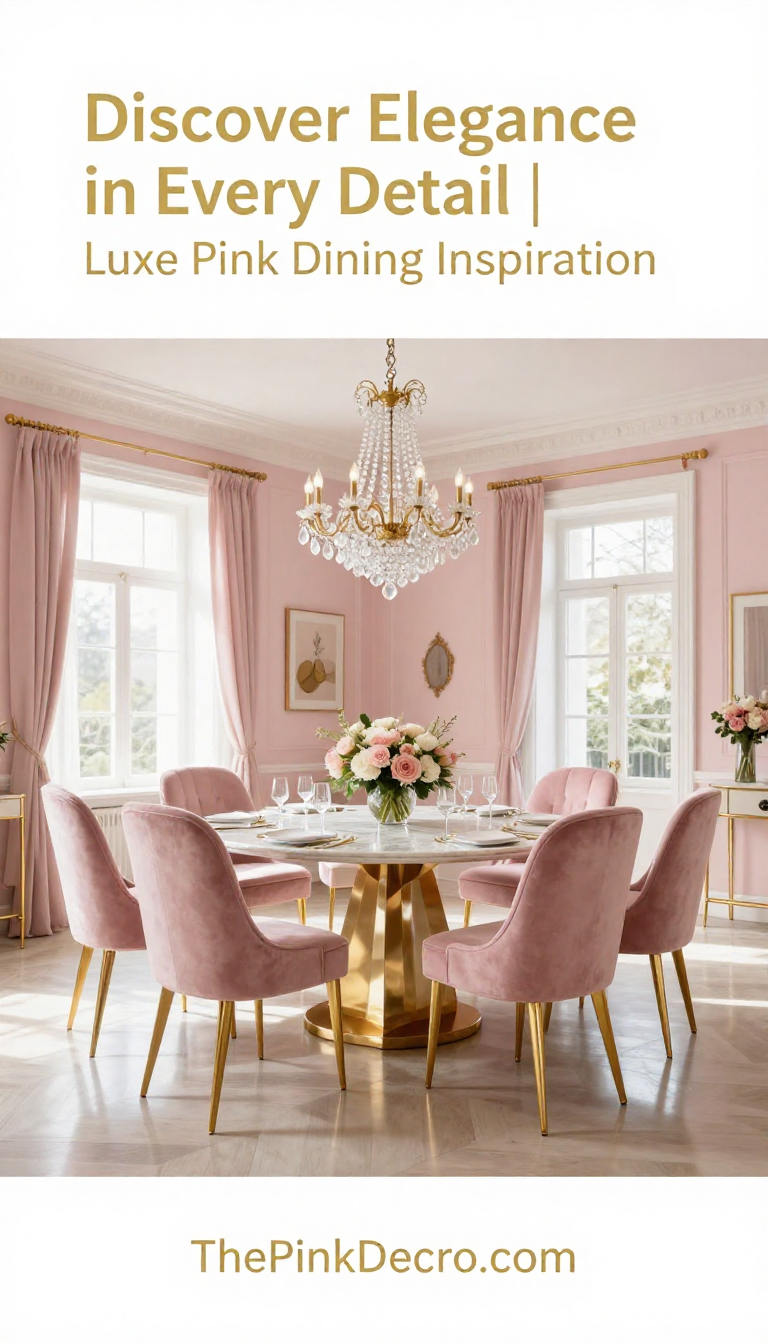
This timeless combination creates an elegant, feminine dining room that feels both modern and classic. Pair blush pink walls with crisp white trim and gold or brass accents. Sherwin-Williams “Romantic” or Benjamin Moore “First Light” offer perfect blush tones. Add marble elements and velvet textures for luxury.
2. Dusty Rose with Gray and Marble (Hex: #C9A9A6)
For a more mature, sophisticated dining room, combine dusty rose with charcoal gray and marble accents. This palette works beautifully with mid-century modern furniture and industrial lighting. Try Farrow & Ball “Setting Plaster” or Behr “Dusty Rose” for authentic dusty rose tones.
3. Millennial Pink with Brass Accents (Hex: #F3CFC6)
The iconic millennial pink creates a contemporary dining room that’s both playful and polished. Balance this warm, peachy pink with brass hardware, light wood tones, and black accents. Benjamin Moore “Pink Bliss” or Sherwin-Williams “Certain Peach” capture this trend perfectly.
4. Hot Pink Bold Statement with Black (Hex: #FF69B4)
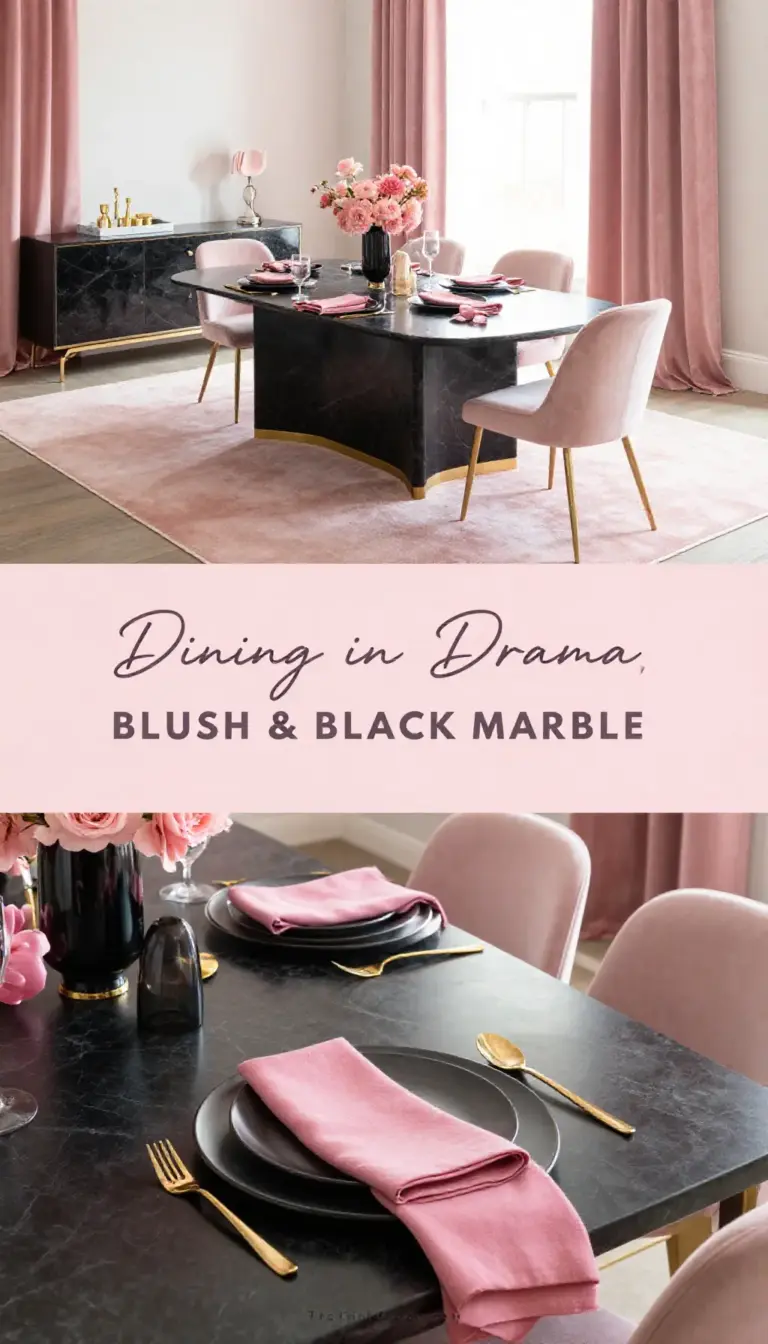
Make a dramatic statement in your dining room with vibrant hot pink balanced by sleek black elements. This high-contrast palette creates energy and sophistication. Use hot pink as an accent wall or through bold furniture pieces. Benjamin Moore “Razzle Dazzle” delivers vibrant intensity.
5. Pale Pink Monochromatic (Hex: #FADADD)
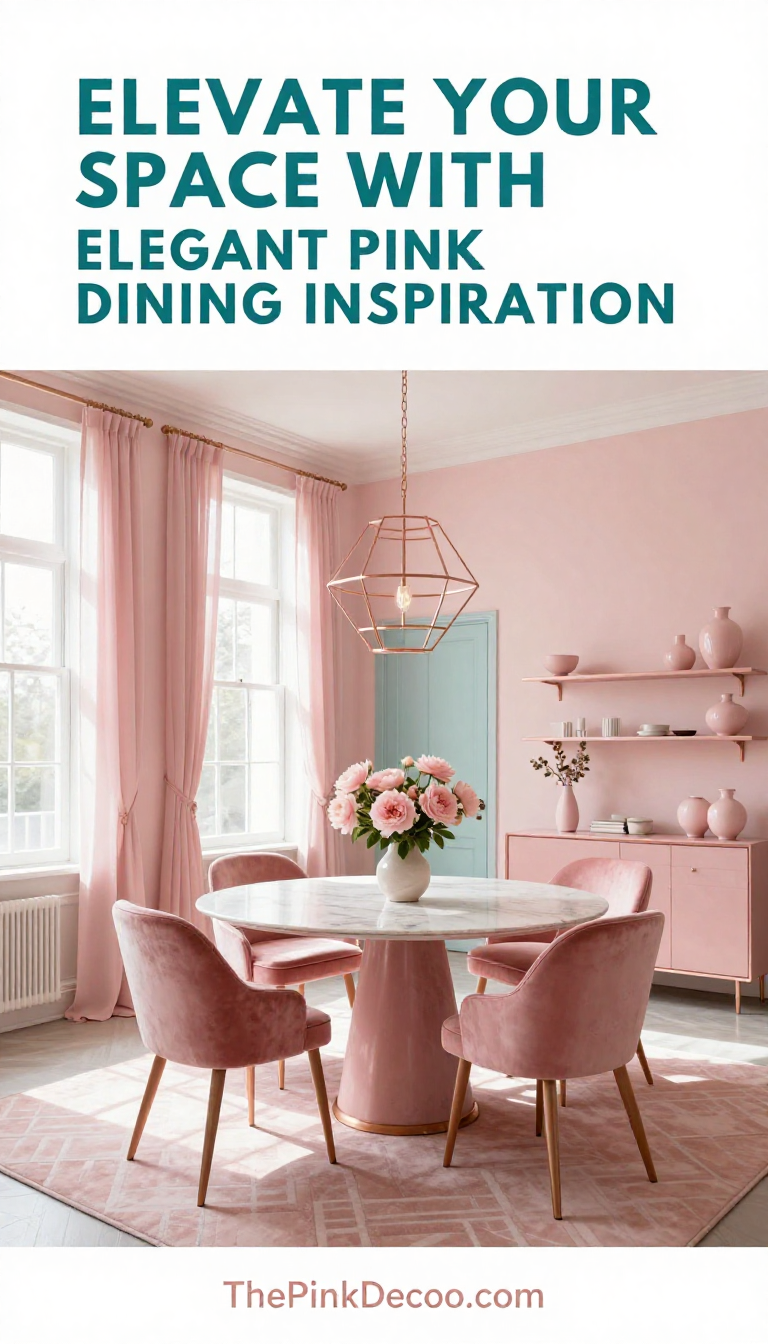
Create a serene, cohesive dining room using varying shades of the same pale pink family. Layer different textures—matte walls, glossy trim, velvet chairs—to add depth and interest. This approach works particularly well in minimalist dining rooms.
🛋️ Essential Elements for Pink Dining Room Style
1. Color Scheme
A successful pink dining room relies on thoughtful color balancing. Your main pink should cover approximately 60% of the visible space—this could mean pink walls, a large pink rug, or a pink dining set. Neutral colors (white, cream, gray, beige) should comprise about 30%, providing visual relief. The remaining 10% can be accent colors like metallics (gold, brass, rose gold), black for contrast, or complementary colors like sage green or navy blue. Remember that pink’s undertones matter: blue-based pinks pair beautifully with grays and silvers, while yellow-based pinks harmonize with creams and golds.
2. Furniture & Layout
Key furniture pieces in a pink dining room include the dining table, chairs, storage pieces (buffet, sideboard), and possibly a statement lighting fixture. When incorporating pink furniture, consider starting with chairs—pink upholstered dining chairs make a significant impact without overwhelming the space. For layout, ensure at least 36 inches of clearance around the dining table for comfortable movement. If using a pink dining table, balance it with neutral chairs, or vice versa. A pink sideboard or buffet can serve as both functional storage and a beautiful focal point in your dining room.
3. Lighting
Lighting dramatically affects how pink appears in your dining room. Natural light brings out pink’s truest tones, while warm artificial light enhances its warmth. Consider these lighting elements: a statement chandelier or pendant light above the dining table (pink glass or pink shades can be stunning), wall sconces with pink accents for ambient light, and dimmable overhead lighting for mood control. Gold or brass light fixtures complement most pink tones beautifully. For evening ambiance, incorporate candles in pink glass holders or with pink-toned flames.
4. Textures & Materials
Texture adds depth and interest to pink dining rooms. Combine at least three different textures: smooth (painted walls, glass), soft (velvet upholstery, wool rugs), and natural (wood, marble, rattan). Velvet in pink tones creates luxurious dining chairs, while matte pink walls provide sophisticated backdrop. Incorporate natural materials like wood dining tables or marble serving pieces to ground the pink elements. Metallic finishes—especially rose gold, brass, and copper—add reflective quality that enhances pink’s luminosity.
5. Decorative Accents
Accessories complete your pink dining room style while adding personality. Focus on these elements: statement mirrors with pink frames or pink-tinted glass, pink glassware and serveware for functional decoration, botanical elements like pink orchids or eucalyptus in blush tones, textured pink throw pillows on dining bench seating, and abstract art featuring pink color fields. Avoid human or animal figurative art that might clash with the color-focused aesthetic. Instead, choose geometric patterns, organic shapes, or textured wall hangings in your pink palette.

🎯 Step-by-Step Design Guide
- Choose Your Pink Shade: Evaluate your dining room’s natural light, size, and existing elements. North-facing rooms benefit from warmer, peachy pinks, while south-facing spaces can handle cooler, blue-based pinks. Sample several pink paints at different times of day before committing.
- Plan Your Layout: Consider your dining room’s primary use. For frequent entertaining, ensure comfortable circulation space. For family meals, prioritize durability and easy cleaning. Create a floor plan that allows the pink elements to shine without feeling cramped.
- Select Key Pieces: Begin with the largest element—usually walls or flooring. If painting walls pink, choose furniture in complementary neutrals. If keeping neutral walls, introduce pink through a dining table, chairs, or large area rug.
- Add Complementary Colors: Based on your chosen pink, select 2-3 complementary colors. For blush pink: white, gold, and light wood. For hot pink: black, white, and brass. For dusty rose: charcoal gray, cream, and walnut tones.
- Layer Textures: Incorporate contrasting textures to prevent a flat appearance. Pair smooth pink walls with nubby pink rug, velvet pink chairs with sleek marble tabletop, or glossy pink accessories with matte pink ceramics.
- Incorporate Metallics: Choose one primary metallic finish (gold, brass, silver, or rose gold) and use it consistently throughout hardware, lighting, and accessories. Mixing metallics can work if done intentionally—try gold and rose gold together for a warm, cohesive look.
- Add Final Touches: Style your dining table with pink elements: napkins, centerpieces, or charger plates. Add living elements like pink-toned flowers or plants. Include reflective surfaces (mirrors, metallic objects) to enhance light and make the pink glow.
💡 Design Tips from the Experts
PRO TIP: “When designing a pink dining room, always consider the 70-20-10 rule: 70% primary color (your chosen pink), 20% secondary color (usually a neutral), and 10% accent color (metallics or contrasting hue). This ensures balance while allowing the pink to shine. For dining rooms specifically, incorporate pink at eye level—through chair upholstery, artwork, or wall color—where it has maximum impact during seated meals.”
🛍️ Shopping Guide – Where to Find Pink Dining Room Pieces
Budget-Friendly Options
IKEA offers surprisingly sophisticated pink dining pieces, including the INGEFÄRA pink dining chairs and pink glassware. Target’s Project 62 line frequently includes pink dining accessories and occasional pink furniture pieces. Wayfair has extensive pink dining room selections filterable by price range. Amazon offers affordable pink rugs, curtains, and decorative objects perfect for accent additions.
Mid-Range Choices
West Elm consistently features elegant pink dining furniture, especially during their seasonal collections. CB2 offers modern pink pieces with contemporary flair. Anthropologie provides unique, artistic pink dining items with bohemian influence. Pottery Barn features classic pink dining elements that work in traditional or transitional spaces.
Luxury Splurges
Designers Guild offers exquisite pink textiles perfect for dining chair upholstery. Jonathan Adler creates statement-making pink dining pieces with modernist sensibility. Kelly Wearstler designs available through retailers like Circa Lighting feature sophisticated pink lighting options. For custom pieces, consider having dining chairs reupholstered in premium pink velvet or commissioning a pink marble dining table.
🎨 Style Variations
Modern Minimalist Pink
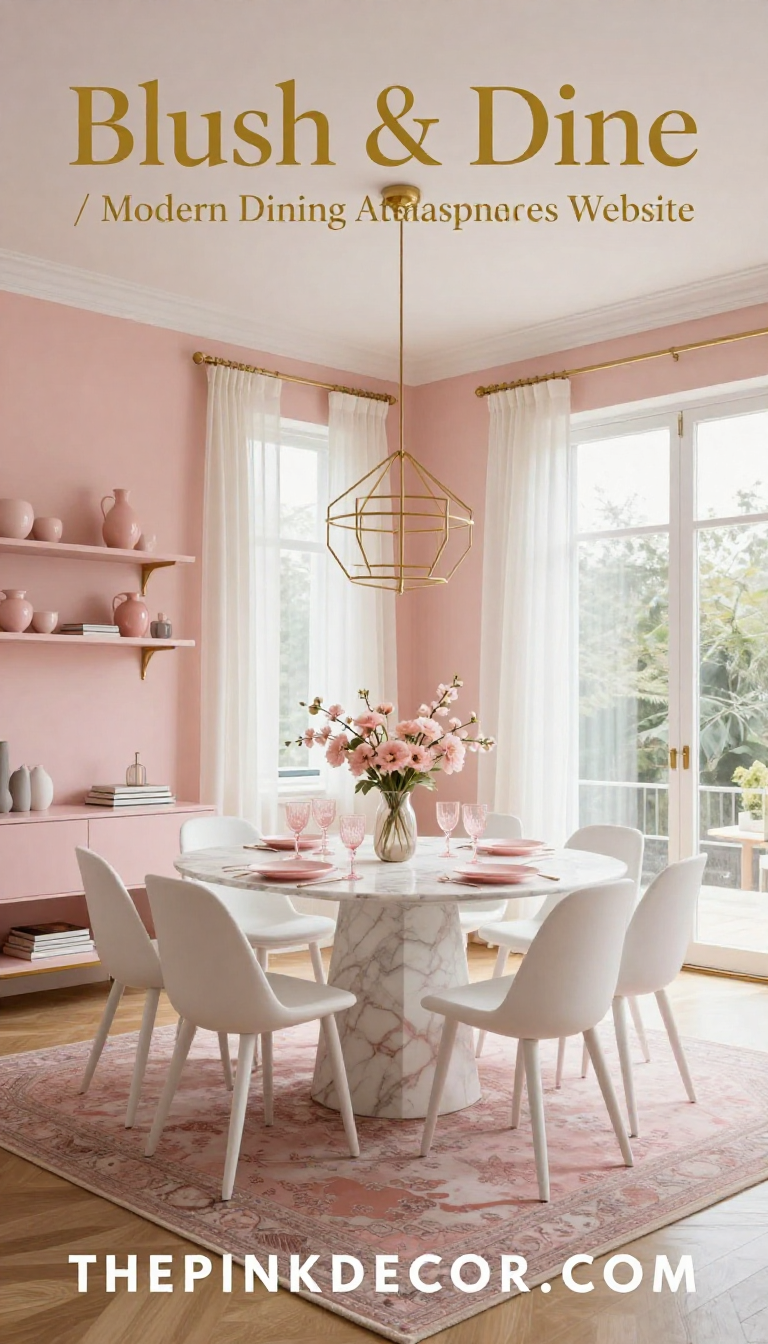
Clean lines, uncluttered spaces, and intentional pink accents define this style. Choose one statement pink piece—perhaps a sculptural pink dining table or a set of pink pendant lights—and keep everything else simple and neutral. Pale pink walls with white trim create subtle sophistication. Storage is concealed, surfaces are clear, and every pink element serves both aesthetic and functional purpose.
Romantic Feminine Pink
Soft textures, floral patterns, and vintage touches create a romantic pink dining room. Layer different pink tones through textiles: pink linen curtains, velvet pink dining chairs, silk pink table runner. Incorporate floral patterns subtly—through china patterns or a single floral artwork. Crystal elements, vintage-inspired lighting, and curved furniture shapes enhance the romantic feel.
Bold Contemporary Pink
Vibrant hot pink, geometric patterns, and modern edge characterize this bold approach. Use pink as a dramatic accent wall behind a sleek dining table. Incorporate geometric pink patterns in rugs or artwork. Balance the bold pink with black accents, chrome finishes, and minimalist furniture. This style works particularly well in open-concept dining rooms connected to modern kitchens.
Scandinavian Pink
Pale pink, natural materials, and hygge vibes define this cozy approach. Combine very light pink walls with abundant natural wood—light oak dining table, beechwood chairs. Add texture through chunky knit pink throws on dining bench, wool pink rug, and ceramic pink vases. Keep the space airy and light-filled with minimal window treatments. Functional simplicity reigns supreme.
🔧 Common Mistakes to Avoid
- Too Much Pink: Overwhelming a dining room with pink creates visual fatigue. Balance is key—if walls are pink, choose neutral furniture. If furniture is pink, keep walls neutral. Incorporate breathing space with white, cream, or natural wood elements.
- Wrong Pink Shade for Lighting: Pink looks dramatically different in various lighting conditions. Always test paint samples at different times of day. Cool north light makes warm pinks look dull, while warm south light intensifies cool pinks.
- Clashing Undertones: Mixing pink with clashing undertones creates discord. Blue-based pinks conflict with yellow-based woods or creams. Identify your pink’s undertone (blue, yellow, or neutral) and choose complementary elements accordingly.
- Ignoring Existing Architecture: Forcing a pink scheme that conflicts with your dining room’s architecture creates tension. Traditional dining rooms with crown molding suit softer pinks and classic pairings. Modern spaces with clean lines can handle bolder pink statements.
❓ Frequently Asked Questions
Is pink too bold for a Dining Room?
Not at all! Pink can be as subtle or bold as you choose. For those hesitant about pink, start with pale blush accents through textiles or accessories. Pink creates a welcoming, conversation-friendly atmosphere perfect for dining rooms. The key is balancing pink with neutrals and choosing the right shade for your space’s lighting and size.
What colors go best with pink in interior design?
Pink pairs beautifully with: white (creates fresh, clean contrast), gray (adds sophistication), gold/brass (enhances warmth), navy blue (creates striking contrast), sage green (offers natural complement), and black (adds modern edge). For dining rooms specifically, consider your existing elements—wood floor tones, cabinetry in adjacent spaces, and natural light quality.
How do I incorporate pink without painting walls?
Many options exist: pink upholstered dining chairs, pink area rug under dining table, pink curtains or window treatments, pink table linens (runner, placemats, napkins), pink decorative objects on sideboard or shelves, pink lighting fixtures or lampshades, pink artwork or mirror frames, and pink serveware or glassware displayed in open shelving.
Will pink decor go out of style?
Certain pink tones have proven timeless—blush, rose, and soft coral pinks have remained stylish for decades. Trendier shades like millennial pink may evolve but can be incorporated through easily changeable elements like accessories or textiles. To keep your pink dining room feeling current, focus on classic pink shades for permanent elements and trendier pinks for replaceable items.
What’s the best pink shade for small Dining Rooms?
Light, pale pinks work best in small dining rooms as they reflect light and create airiness. Avoid dark pinks that can make spaces feel smaller. Specifically, pale blush (#FADADD), soft peach-pink (#F3CFC6), or barely-there pink (#FFE6E6) enhance small dining rooms. Use pink on walls to visually expand the space, or on furniture to create focal points without overwhelming.
✨ Before & After Inspiration
Consider these transformation examples: A beige dining room becomes sophisticated with dusty rose walls, black dining chairs, and brass accents. A cold, gray dining room warms up with millennial pink velvet chairs and peach-toned artwork. A traditional dark wood dining room lightens with pale pink walls, white trim refresh, and pink-and-white patterned curtains. The biggest impact often comes from changing just one element—painting walls pink, reupholstering chairs in pink velvet, or adding a substantial pink area rug that anchors the dining space.
📸 Styling Tips for Instagram-Worthy Photos
Capture your pink dining room beautifully with these tips: Photograph during golden hour when natural light enhances pink’s warmth. Style the dining table with layered pink elements—placemats, napkins, centerpiece. Include reflective surfaces (mirrors, glassware, metallic accents) to add sparkle. Shoot from corner angles to show room depth. For flat lays, arrange pink accessories with complementary textures. Use a consistent filter that enhances pink tones without oversaturating. Tag #pinkdiningroom to connect with the pink decor community.
🎉 Final Thoughts
Creating a pink dining room style offers endless possibilities for personal expression and sophisticated design. From soft blush elegance to bold fuchsia statements, pink transforms dining rooms into inviting spaces that encourage connection and celebration. Remember that successful pink dining rooms balance color with neutrals, consider lighting conditions, and incorporate personal touches that make the space uniquely yours.
The journey to your perfect pink dining room begins with inspiration and evolves through thoughtful implementation. Whether you start small with pink accents or commit fully to pink walls and furniture, each step brings you closer to a dining space that reflects your style and enhances your home’s character. For continuous inspiration, explore our curated collection of pink dining room ideas that showcase this versatile color’s potential.
💬 Ready to go pink? Share your Dining Room transformation in the comments! For more pink home decor inspiration, explore our Dining Room collection.